

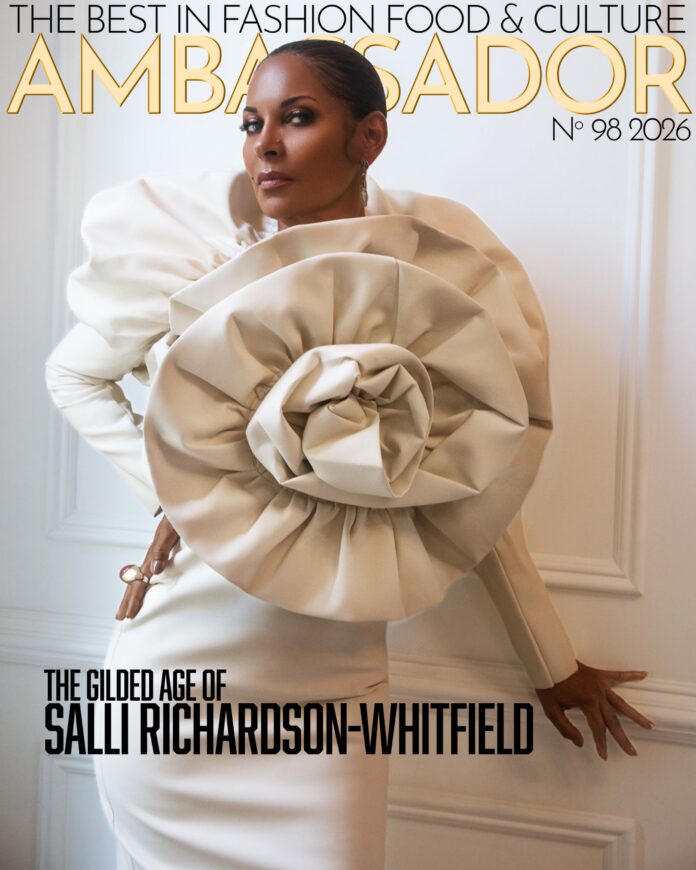
Ambassador Editor-In-Chief Musa Jackson sits down with Salli Richardson-Whitfield to discuss her remarkable journey, her passion for storytelling, and the legacy she’s building both on and off the screen.Salli Richardson-Whitfield continues to redefine excellence behind the camera. The acclaimed actress, director, and executive producer recently made history by receiving two 2026 Primetime Emmy nominations for Outstanding Directing for a Drama Series, becoming the first Black woman to earn two directing nominations in the category in the same year for her work on The Gilded Age and Task.
After a celebrated acting career, Richardson-Whitfield has become one of television’s most sought-after directors, bringing her distinctive vision to acclaimed series including Queen Sugar, Winning Time, The Chi, Scandal, See, and Dear White People. Her work continues to break barriers while inspiring a new generation of storytellers.
AMBASSADOR: You made Emmy history with your nomination for directing Winning Time: The Rise of the Lakers Dynasty. What did that moment represent for you personally and professionally?
SALLI: Well, first of all it came as a huge surprise. The show had been canceled. Sometimes you get on these Emmy campaigns. And it wasn’t something I was campaigning for so it really came out of the blue. Although when it did come through. I did feel for that particular episode, I knew how much hard work we had put into it. And I really felt like, my team and for myself, what an accomplishment it was. So I did feel proud and felt like it was warranted. like it was, it was something that I felt was Emmy worthy to be nominated. then, I found out that we were actually making history. That’s not something that was on my radar at all. so then it was this mixture of feeling very honored. But at the same time, this sadness that I am the first. How could that be? There’s so many before me, or, not so many, maybe a few before me, who’ve been doing TV for a long time. Who deserves this kind of recognition. So I was saddened that I had to have that title, but at the same time I felt honored, if that makes sense.
AMBASSADOR: Your work spans vastly different worlds—from The Gilded Age to gritty contemporary storytelling like Task. How do you approach such diverse narratives?
SALLI: Well, as an artist, I just love doing different things. People are always astonished that I’m the director of, you know, like give, you know, if you look at winning time and task and gild it, they’re, they have nothing to do with each other. But at the core of it, it really is storytelling. And that’s how I look at it and how, um, how am I going to tell this particular story and what style is that going to be in? And, um, as a viewer, I like watching different things. And as an artist, I like to direct different things. And that’s really what it comes down to. I mean, I’m sure you as a, you know, you don’t want to do the same thing over and over. You don’t want to interview the same people, you don’t want to photograph the same people. It’s, it’s just, you know, new world, new, new challenges.
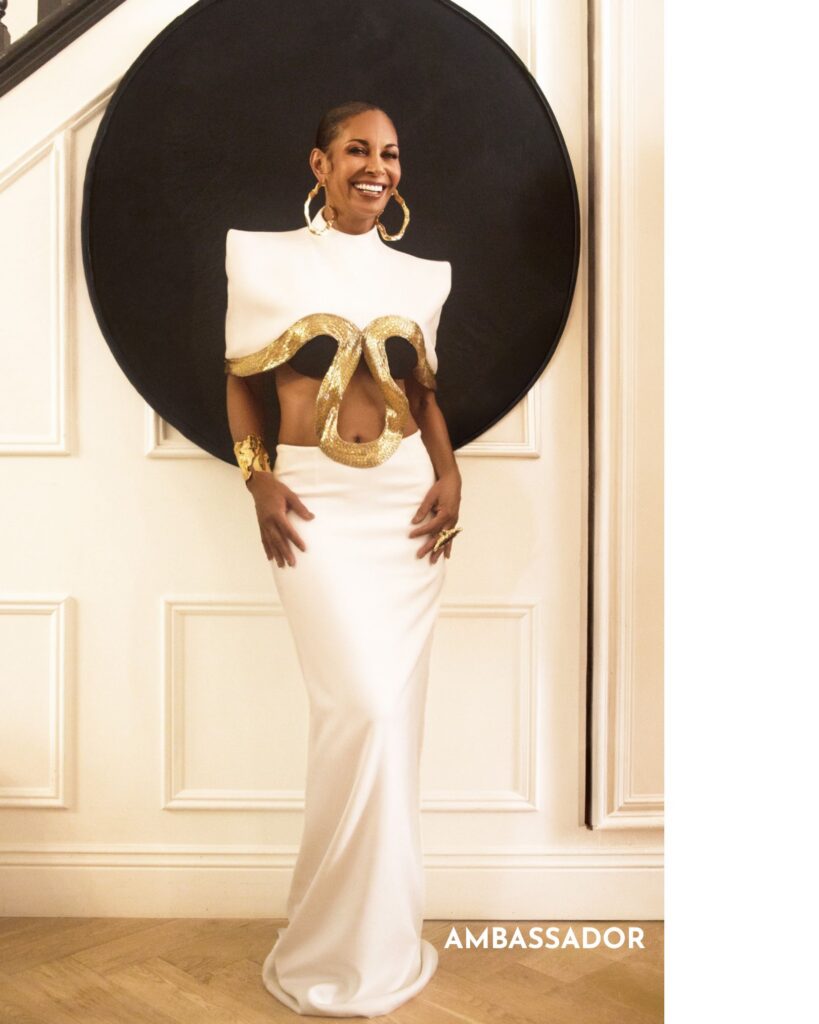
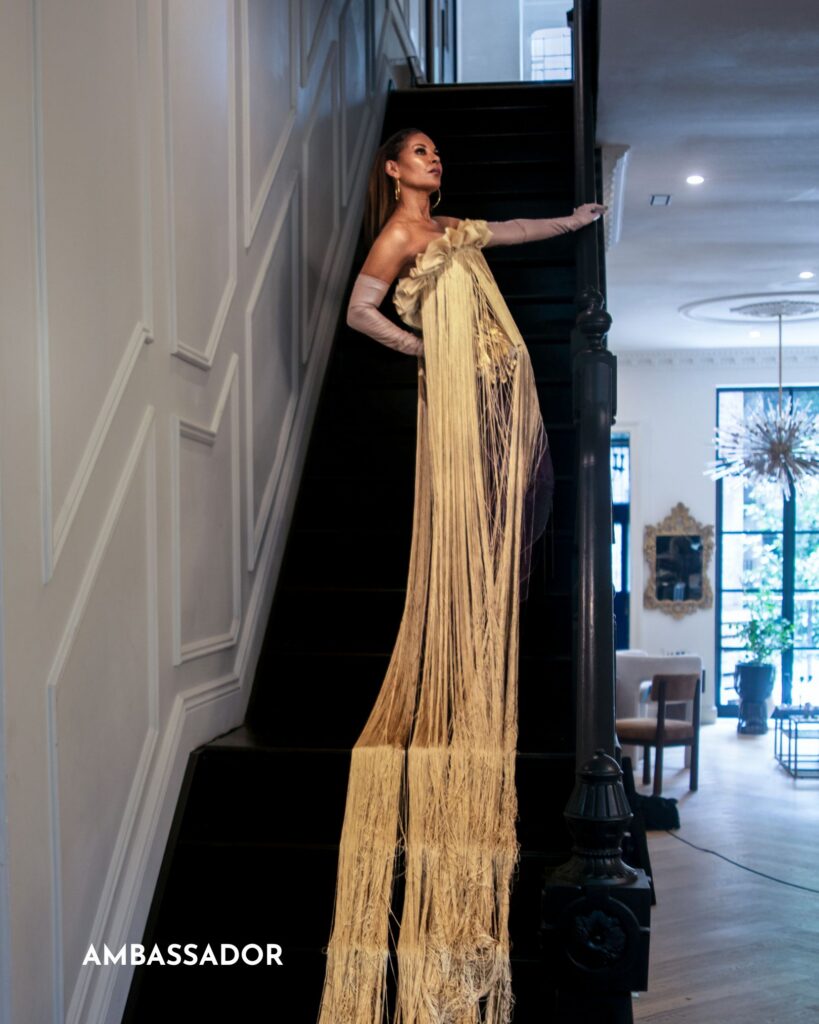
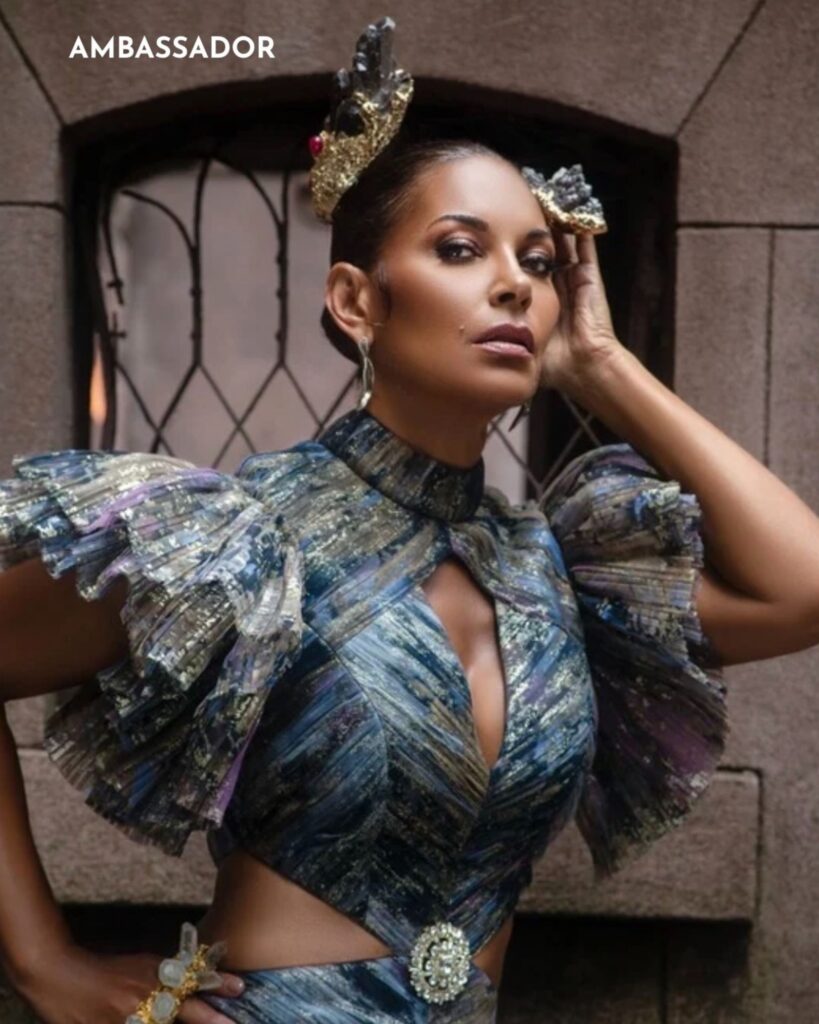
Q: How important was it for you, as a Black woman director, to help shape The Gilded Age into a period drama that not only earned critical acclaim and a loyal following, but also presented a more realistic and diverse portrayal of that era?
SALLI: Um, again, it’s just one another one of these projects that I am. Um, here let me start over with that one. What do I feel about the Gilded? It’s like there’s so many feelings when I think about this show. You know, like going into it, I was just excited about doing a Julian Fellow show in general and I loved a period, you know, I loved the idea that it was a period piece. And then the more I dove into the scripts and really, um, you know, jumped into the, the black elite world of the late 1800s. Then I became in protection mode.
And, you know, and it’s very lucky that we also had 2 other women there, Sonia Warfield, who, you know, is another writer on the show, and Erica Dunbar, who is a black historian, who’s a part of the show, and it really became, um, you know, these 3 women who, who, you know, we bonded and we banned together to make sure that we protected this storyline. And that we told it in the most truthtul, truthtul way as possible.
And honored this time period. Because most people have no idea that there were these very wealthy black or that there was this very wealthy black class. during that, you know, during the late 1800s and that we were a thriving community and we were a beautiful community. And a um, just so many things, a family oriented beauty. I mean, um, community and, um, We were striving so much for so much during that time period. And we could have had all of that
if reconstruction hadn’t happened.
You know, if, um, if, you know, if, if, if the more we had, the more they wanted to take it away. And so it’s just very uh, it’s very timely,
as we’re going through, you know, the things that are happening in our country. Uh, to see that it, you know, it’s almost, you know, it’s a mirror of what was happening then and happening now and what could happen now is they try to take our rights away.
Q. The Evolution Award — what does evolution mean to her personally, not just professionally.
SALLI: Hmm. Well, I think we should all be trying to evolve every day, evolve, um, into being a better person. A better leader, a better husband, a better wife, a better daughter. It’s really about this. Uh, this idea of striving for excellence in our lives and striving for more happiness. And not being content and being in one place and continuing to, um, involve, evolve into whatever God has planned for us. And we don’t know what that is. And if we stop evolving, we can’t get to where God wants us to be.
Q: You’ve cited Ava DuVernay as an inspiration in your transition from acting to directing. What did that shift require from you?
SALLI: It’s, you know what? I think it was about really listening to, like the spirit and listening to, um, kind of these inner words that God was giving me is, is, is corny as that may sound to some people, you know, when I, when I say that Ava inspired me is that she saw something in me while I was shooting her film, I will follow. She said to me one day, that, I was a director and I didn’t know it. if I had been in a different place in my life or a different person, I may not have heard those
words, but I heard, but I heard them, and I went maybe right. And from that day on, I was sort of, um, on a mission to see if maybe she was right. And, um, after, you know, and I was on a TV show, uh, called Eureka, where I was the lead and they gave me the opportunity to direct and from literally those 1st few days on the set of directing, I realized that this really was, um, you know, my destiny and not being afraid to do that.
I didn’t know I was giving up acting at the time. I just started going for this new goal. And all of a sudden I was too busy to act.
And that doesn’t mean I won’t act again. It just means that right now, this is where I’m supposed to be going. And if God diverts me to some other way, then I’ll follow that word too.
Q: Your directing portfolio includes series like Queen Sugar, The Chi, and Scandal. What have these experiences taught you about leadership on set?
SALLI: Patience and. You know, you find out what people skills really mean. And you can be, uh, I could be the best director in, in the world, but if I don’t know how to talk to people and if people don’t want to be around you and people don’t enjoy working with you, um, your career will be cut short. Participant
So I realize that there are so many skill sets that you need to have, besides just the filmmaking part, that make you successful in this business. And I lean in very hard to obviously be technically sound and know what I’m doing on the job, but I also know that, uh, it’s all the other things that actually keep you working.
Q: Before directing, you had an incredible acting career working alongside icons like Denzel Washington and Will Smith. How has that experience informed your work behind the camera?
SALLI: I think that all the experiences of acting have helped me, particularly because I know how I wanted to be treated as an actor. I know what things I was missing from other directors that I never got. I also have been able to witness lots of different directors, direct me and direct, direct big talent, and you know, I can sort of handpick the things that I, uh, thought were good things and get rid of the bad things. I have to work with a lot of, really um, a list actors now, and probably my experience of, you know, of acting with other actors like that. I know, I inherently know what they need. And how they want to be treated. And, you know, again, it’s this. It, it’s, I feel like being a director, all of the things that I am good with in my life. have all come together. And I can use all these skill sets. Um, in in this one particular job.
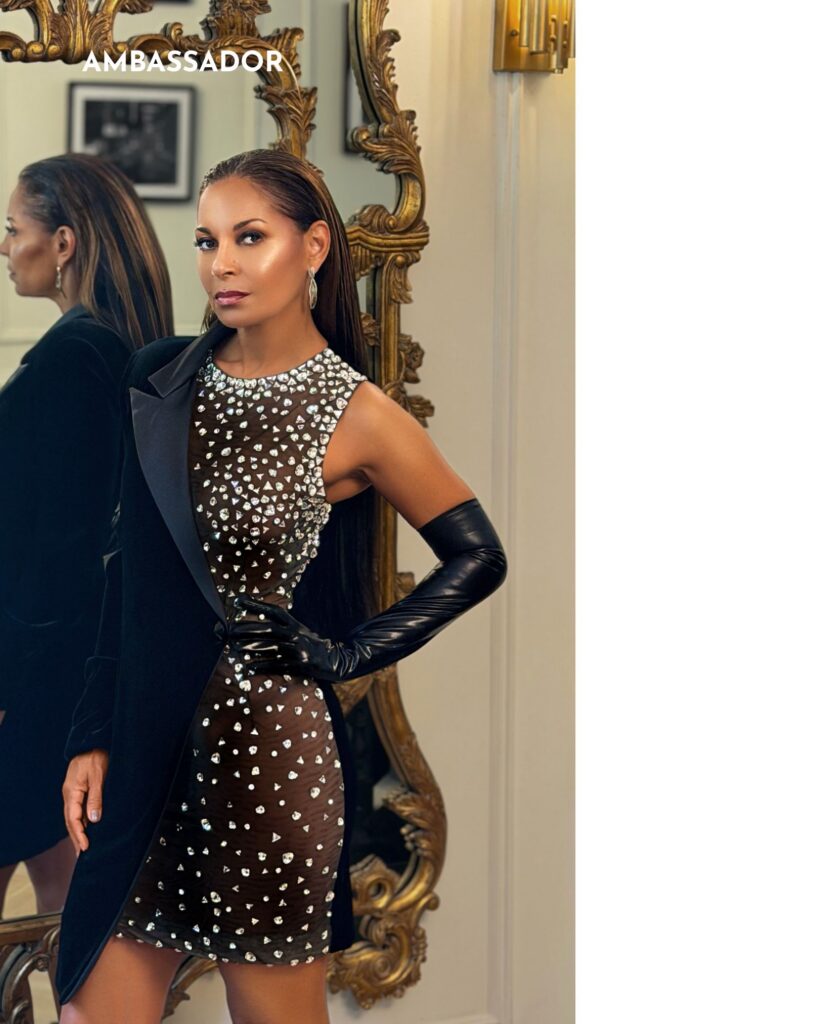
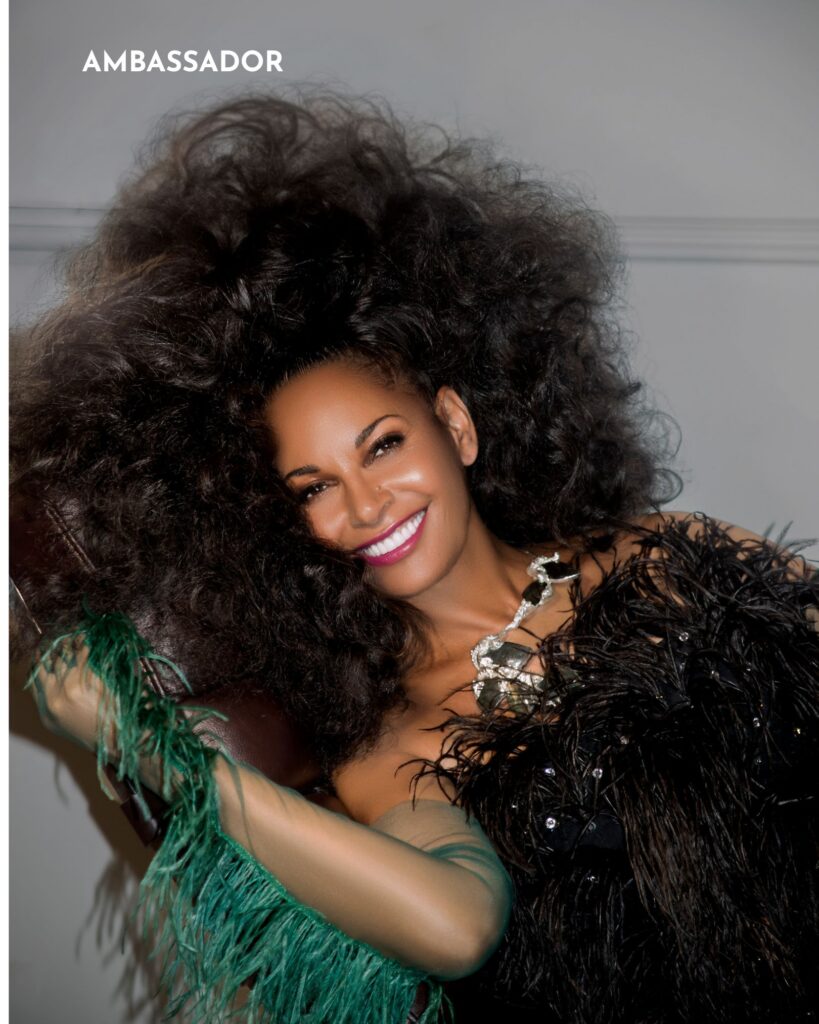
Q: In an industry still evolving in terms of representation, what responsibility do you feel as a trailblazer? Because you never see yourself like that.
SALLI: It’s so funny when people say stuff like trailblazer. Um, I think that, what, I do take this on as a great responsibility. to be really the best that I can be, to always work harder than anybody. Um, get a, you know, again. have those kind of like good relationships within the business. you know, the right way, because I know that if I don’t do a good job on a particular show. If, I don’t carry myself a certain way. When I’m behind the scenes working with people and working with different studios and producers, then other women, other black women coming behind me will be judged harshly by
my failures. So, I mean, we’re all gonna fail. We all can’t do everything right, but I, it’s not going to because I didn’t work my butt off.
Um, and um, yeah, so I really, um, And, and I’m, if I see other people around me, who aren’t doing or aren’t living up to that, that’s, that’s when I get frustrated because I look at them and I think, you don’t understand that your bad behavior or your, um, you know, you not working as hard as you need to or, or if I’m giving you advice about something and you’re not listening to me, you don’t understand how that may reflect on the people coming after you.
Because they don’t want to stand there anyway. They barely want us there, right?
Um, So you have to, you just have to be better. You have to be better. It may not solve everything, but all we can do is be the best.
Q: You’ve balanced a dynamic career with family life. What keeps you grounded?
SALLI: The family. It really is the family. It’s like and I don’t know, it may be coming from Chicago. Uh, and that I don’t necessarily care about all the fanfare and being the most famous person in the world and being at every single party and, you know, that’s not me. So that makes it easy. I love what I do.
I work hard. Do I have fun going to some parties every once in a while and you know, being a part of the scene and knowing the people I do? Yeah. But at the same time, I could stay at home right now. Like I am doing some laundry with 3 dogs sitting under me. Um, and like thinking about what I’m going to make dinner for the kids and worried about my son’s golf and I don’t have time to just think about Hollywood. I have to think about
my kiddos and my husband in real life.
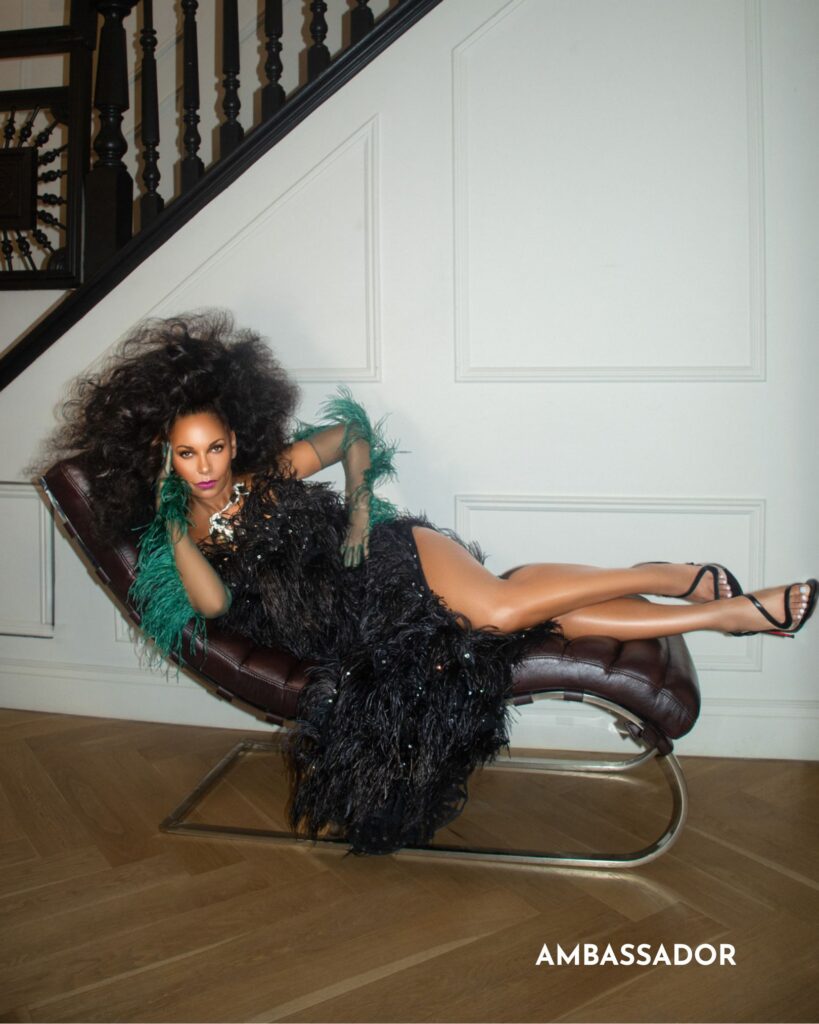
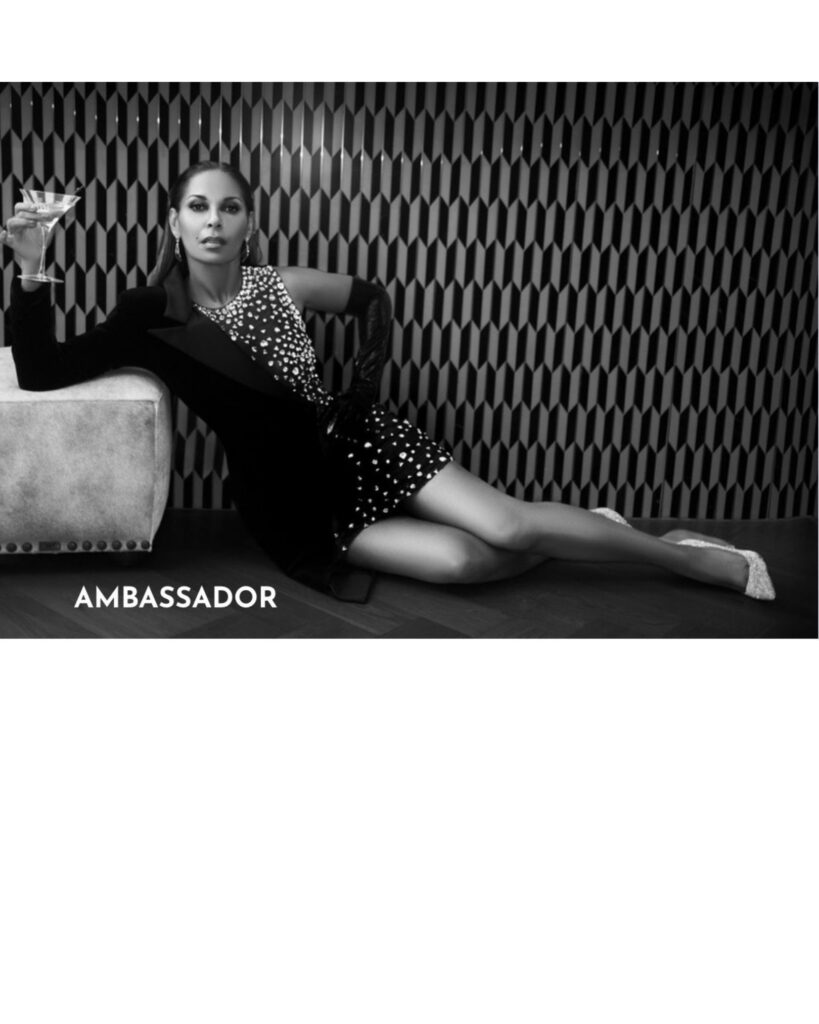
Q: What continues to excite you creatively at this stage of your career?
SALLI: I think it’s knowing that I haven’t gotten everything yet, you know, that, oh, look at, my son is walking in the door. What are you doing home? Uh, she is in the laundry room in the back. Well, hold on let me say that, you know, I haven’tdone a movie yet. Want to do, like, want to do a feature. I have TV shows that I’m still striving to create that are my, you know, that are my own,
that I’m bringing into the studio, that I’m producing from, you know, beginning to end. Uh, there’s still things out there,
challenges, you know, and um, So that that keeps me, that keeps me driven. You know, my son is 17. My daughter is in, you know, she’s about to be a senior in college. So, um, not gonna be to just focus on those 2 anymore. You know, they’re going to both be in college. So I still have, dreams and want to do, uh bigger things for, I don’t know, maybe we’ll go for another 10 years and then I’ll slow down. Prapan.
Well, you know how you think about this is you’re like, because people ask you, so when
do you think you’ll retire? Because on paper, it might seem like you’re getting to that age.
And I go, yeah, but what would I do?
What am I going to do? Sit around here doing nothing. Um, I like what I do. I don’t have that kind of job that you just want to get away from. I’m like, no, I don’t think I work a little longer.
Q: What legacy do you hope to pass on to the next generation through your work?
SALLI: Oh, God, that’s so hard question. I’m gonna go have to, like, really look up the true definition of legacy at some point. Maybe it’ll help me answer these questions more. I hope that not only do good work, but I always did honorable work and work that didn’t embarrass us. as a community that didn’t. You know, I didn’t ever do anything that I looked at it and went, oof. I hope, you know, I hope people don’t judge me for that. I really want to do positive Participant
things. Positive pieces, you know, particularly if I’m going to be doing something where there are, you know, black folks involved. I want to do projects that tell good stories about our community and elevate our community. And um, I hope that people look back and just really respect the work that I did and that it did help them get a leg up later.
Q. Pertaining to you and your husband actor, author Dondré Whitfield, 2 actors, directors, producers, creatives. How did you two find the space to be this dynamic couple.
SALLI: I think we decided we weren’t quitters. We both decided we were going to stay married. And we were going to do this. You look at our family. Our kids are happy. Why would we want to mess that up. And any problems that we have we need to figure them out and fix it. And at the core we love each other. We just do. You know the older I get. And i see people who don’t have partners or don’t have those friendships I think it’s important to keep that person as you get older and keep that friendship with each other. Thats what we’ve been able to do.
-Musa Jackson
Talent: Salli Richardson-Whitfield
@sallirichwhit
Photographer/ Creative Director:
@MarcBaptistePhoto
Stylist: @the_real_re_edit
Stylist assistants: @kensivells and @soulflowr
Hair: @LurissaIngridHair
Assistant Hair: Saeed Ramirez
Makeup: @GreggBrockingtonBeauty
Nail Tech: @tipsxTara
Videographer/ BTS; @CourtneyDouglasphotography
Salli’s Assistant: @zoemjiminez
Producer/ Interviewer: @iamMusaJackson
Photographed in the beautiful home of Douglas Hand @handofthelaw
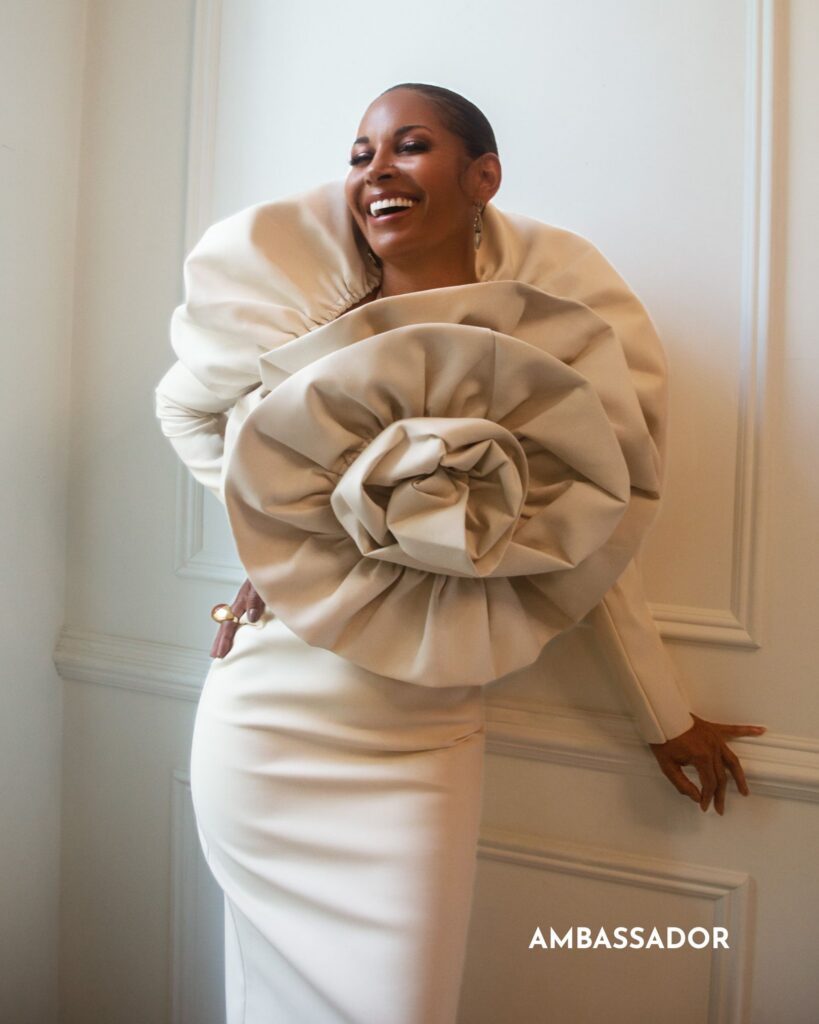
Cover: Dress by Marco Hall @marcohall
Earrings and rings by Sabre Jewelry @sabrejewelry
Shoes by Tiannia Barnes @tianniabarnes
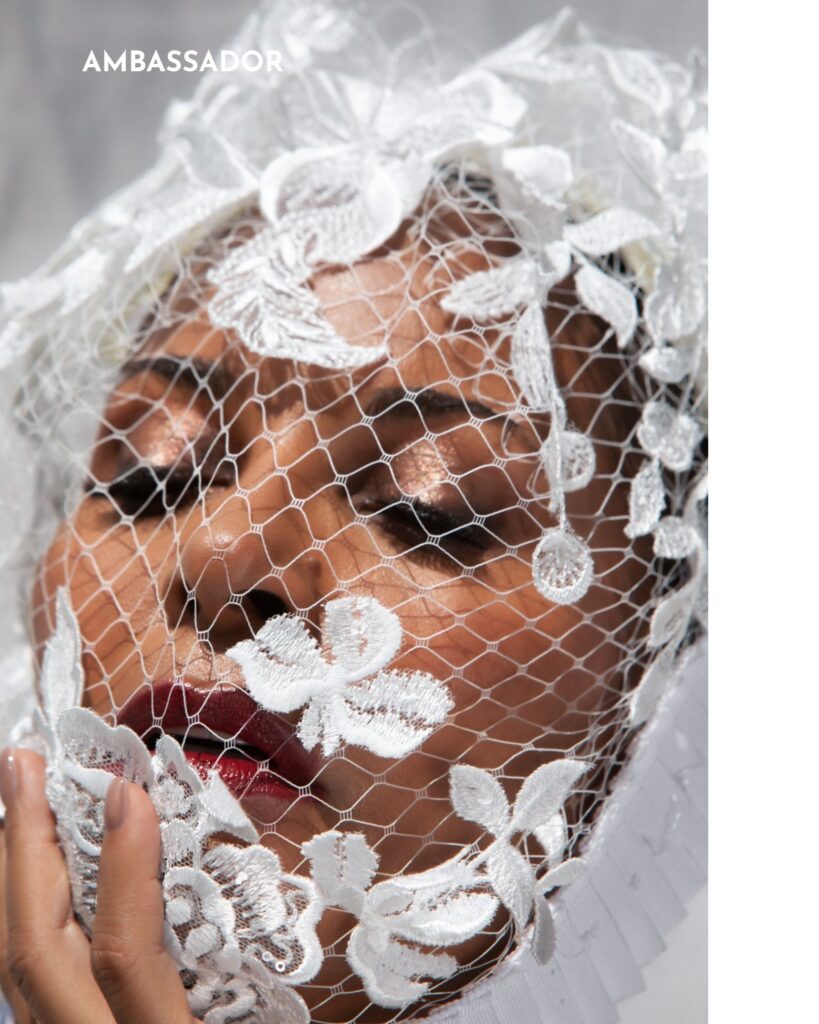
Look: Dress by CD Greene @cd.greene
Earrings by Sabre Jewelry @sabrejewelry
Shoes by Rouge
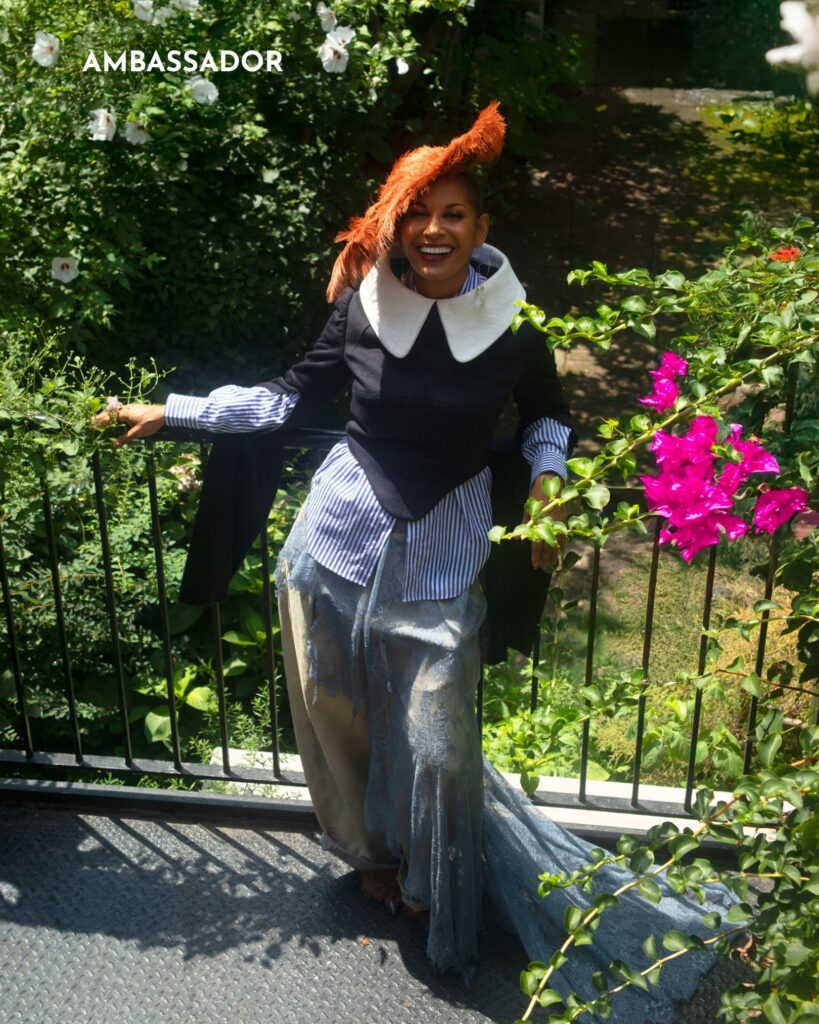
Look: Hat, top, shirt, jeans, dress by Victor DeSouza @victordesouzany
Shoes by Kendall Miles @thekendallmiles
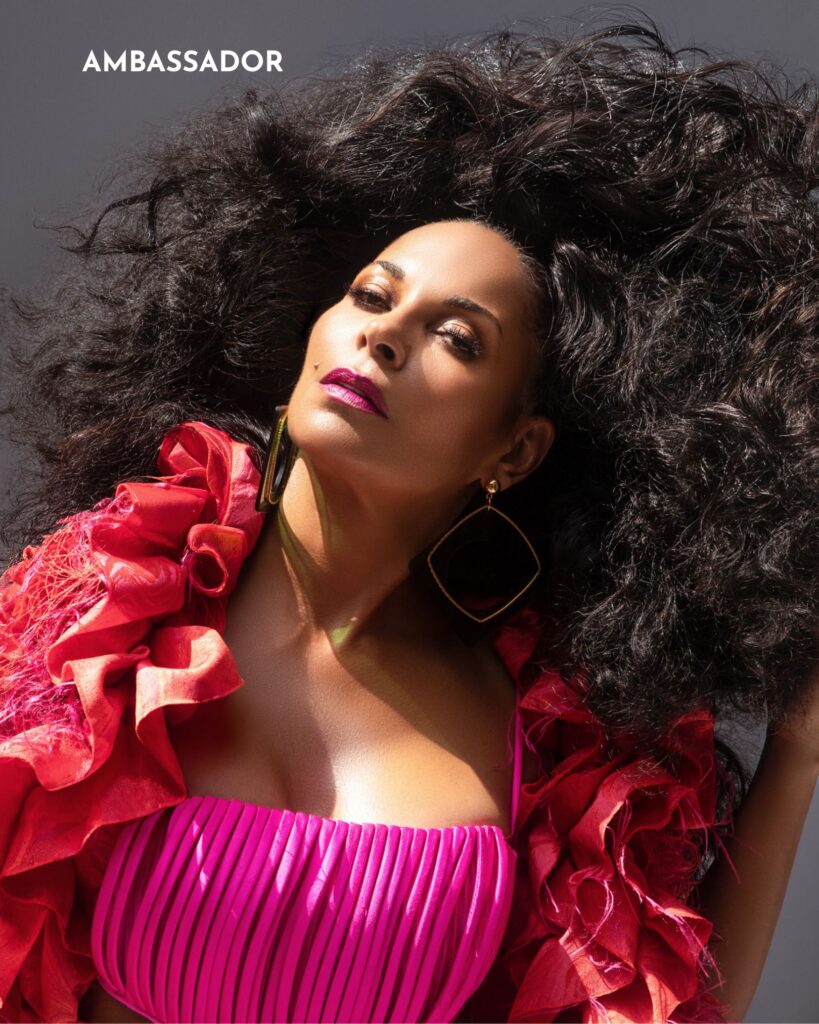
Look: Dress by Chuks Collins @chukscollinsofficial
Earrings by Laruicci @laruicci
Cuff by Sabre Jewelry @sabrejewelry
Ring by ILLUMIN @illumindesigns
Shoes (not shown) by Tiannia Barnes @tianniabarnes
Look: Dress by CD Greene @cd.greene
Neck piece by ILLUMIN @illumindesigns
Gloves by Victor DeSouza @victordesouzany
Shoes by Christian Louboutin @christianlouboutin
Dress by Victor DeSouza @victordesouzany
Pants by Matthew Joseph @matthewwjoseph
Earrings by Sabre Jewelry @sabrejewelry
Gloves are stylist’s own
Dress by Haleia @haleia
Crown and knuckle ring by ILLUMIN @illumindesigns
Shoes by Victor DeSouza @victordesouzany
Mask by Victor DeSouza @victordesouzany
Vest by Epperson @eppersonn
Pant and Bralet by Altelier Ndigo @atelierndigo
Earrings by Laruicci @laruicci
Follow us:
www.ambassadordigitalmag.com
@ambassador_mag
Substack: Ambassador Digital Magazine
TikTok: Ambassador Digital Magazine
FB: Ambassador Digital Magazine
Founder & Editor In Chief:
Musa Jackson @iammusajackson
Creative Director: @marcbaptistephoto
Art Director/ Cover & Editorial Graphics:
Paul Morejon @Paulmorejon