

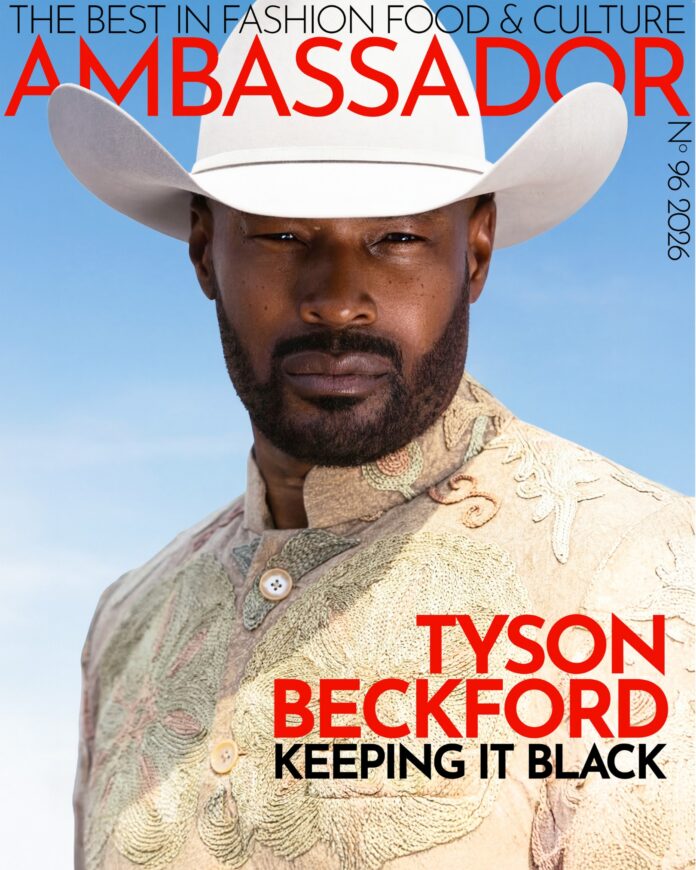
For more than three decades, Tyson Beckford has remained one of the most recognizable faces in global fashion. Emerging during the golden era of Hip-Hop and redefining what Black masculinity looked like in luxury branding, Beckford transcended modeling to become a cultural icon. From his groundbreaking relationship with Ralph Lauren to his impact on representation in fashion, film, and entertainment, his image became synonymous with confidence, style, Black male beauty and timeless appeal.
But beyond the campaigns, runway shows, and celebrity status is a man who has navigated fame, fatherhood, reinvention, and longevity in one of the most youth-driven industries in the world.
In this exclusive conversation with Musa Jackson, Editor In Chief of Ambassador Digital Magazine talks about his beginnings, the golden era of Hip Hop, staying relevant after 50, and the legacy he hopes to leave behind.
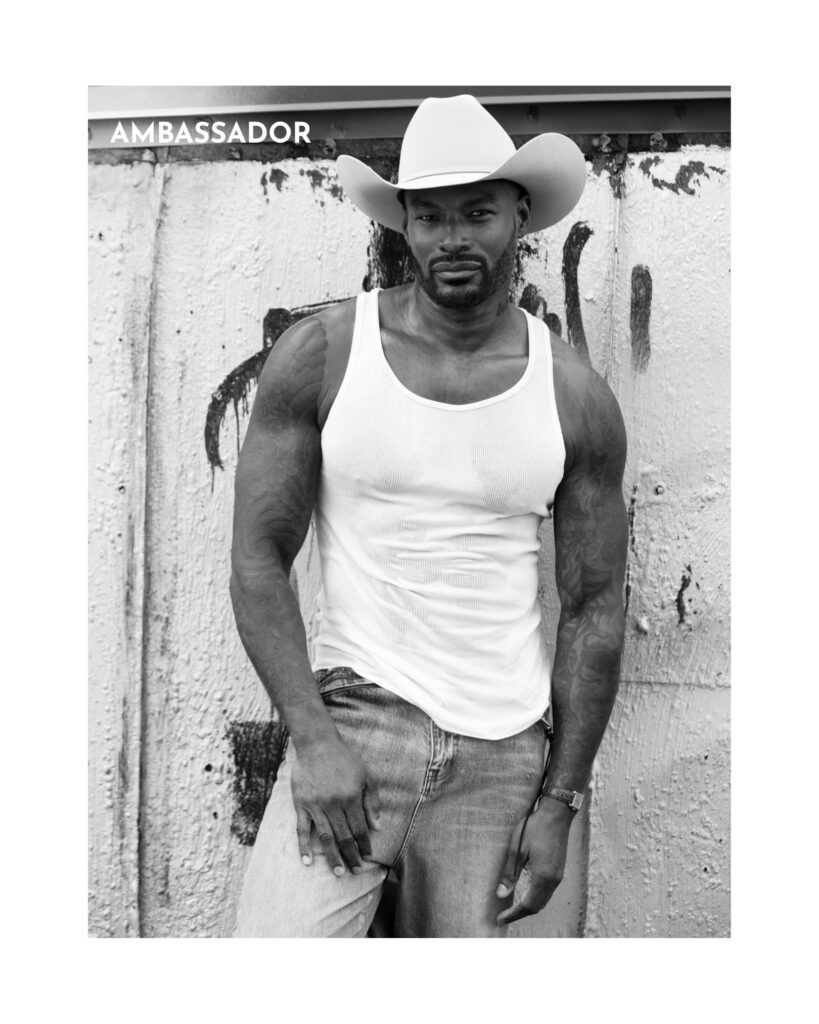
“When it comes to stressing and not stressing, I’m like—I could have two dollars in my pocket, but I’m not going to stress about it because I know God’s got me.”
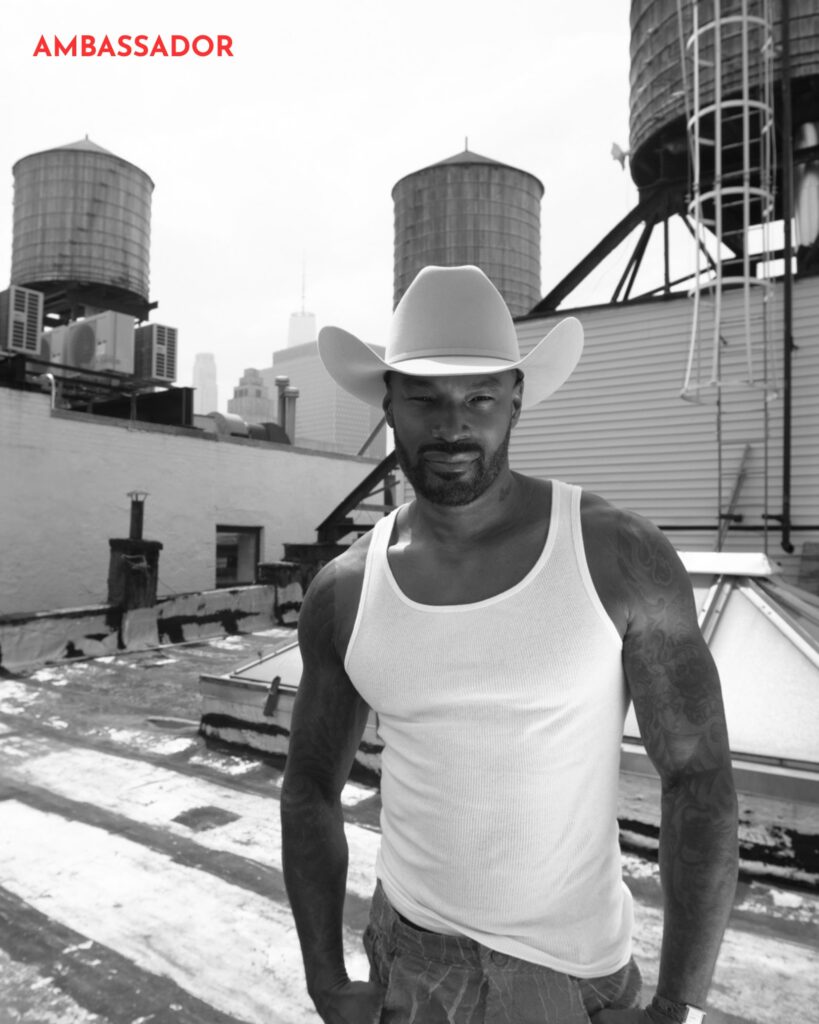
Here’s the irony, you look the same as when I left you. You look like you haven’t aged. How is that possible?
I feel like I’ve stayed in a time zone and everybody else left me here. Even when I was 16 years old, I looked 12. I remember the first time I was going out in New York—I was 21—and I got carded every single time. The doorman would look at my ID and question if it was real. I’ve always looked younger than I am. I’ve been using Rewind It 10, this product that Fat Joe introduced me to. The owner of the brand even said, “Look, you already look young.” But this product helps with the salt-and-pepper—it gets rid of it. Mine comes in patchy and sometimes it looks terrible. Rewind It 10 is amazing it solved that. You know, there are a few of us in the industry who just don’t seem to age. I can say part of it is my Jamaican roots and my multicultural heritage—that’s a key part of my fountain of youth
And it looks like you don’t stress out.
When it comes to stressing and not stressing, I’m like—I could have two dollars in my pocket, but I’m not going to stress about it because I know God’s got me. Some people stress out over things. They want to be rich, to be famous, whatever it is—I don’t stress about those things. I was working on a movie project for a while, a TV series, a scripted series, and I think that might have been the only thing that brought me a little stress. The only other time was when I was on a reality show, because they never really portray you correctly on those shows. So that was probably the only thing that ever stressed me in the past three years. Other than that, I don’t stress about anything.
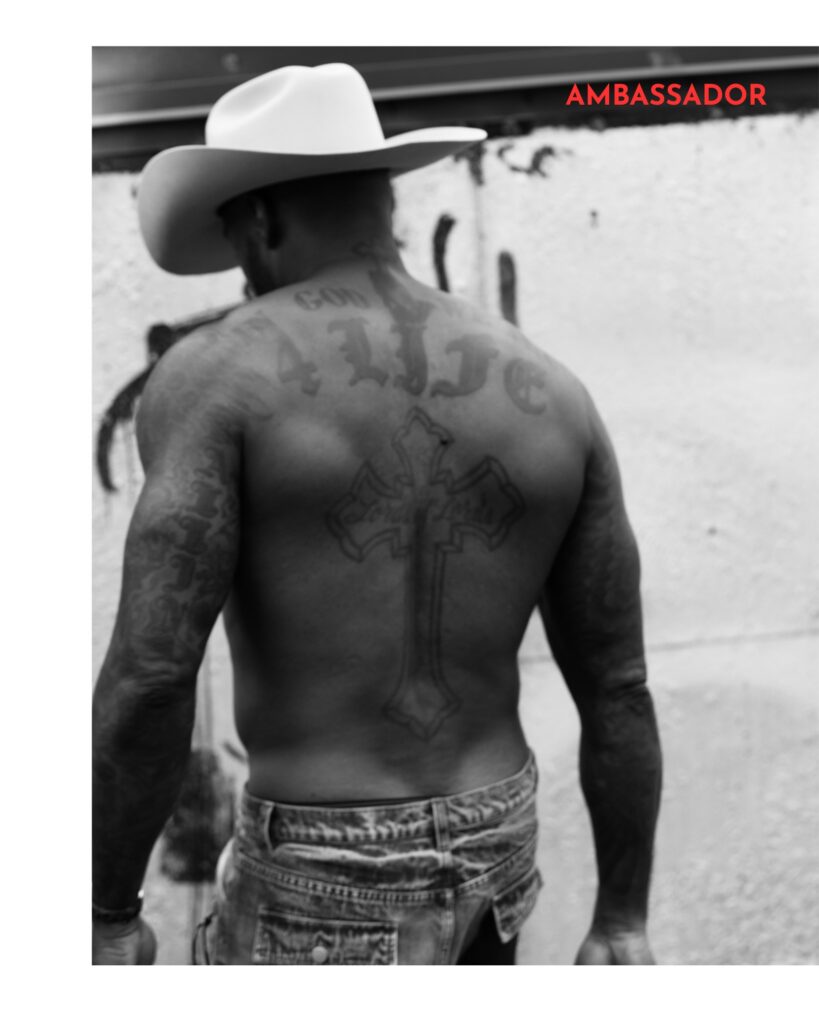
You were discovered in Washington Square Park by Erik “Seven” Council while he was shooting for The Source magazine. When those photos were taken, did you have any idea they were about to completely change the direction of your life?
You know what. I just knew I was destined for something big. I just didn’t know what it was. I don’t know if I was gonna be an actor or a rapper or whatever. Because you know, Eric had a rap group as well and I was in that. I wasn’t the best rapper. I would write my rhymes like five minutes before we went up on stage and then I would remember half of them, but it was just it was an era, you jumped in where you fit in. I also remember Vin Diesel was also in the group. Back then it was Vincent or diesel. If you knew him you could called him Vincent otherwise you referred to him as Diesel.
You came up during the golden era of Hip-Hop in New York. How did that culture shape your identity, and ultimately your image in fashion?
It was me being me. I always felt like I was bigger than just modeling—I wanted to do more. I always saw myself doing acting more seriously, and exploring other creative paths. The rapping, not so much. Because at that time, everyone was getting so much better and more competitive. And if you don’t practice your craft every day, you fall off.
So I stayed focused on what I felt I could really grow in which was the modeling,
So rap wasn’t the path you ultimately took. Did being so close to the industry inspire you to stay involved in music in other ways?
I always had an appreciation for music in general. A lot of people don’t know that I also started producing music. It started with my uncle before I even got into the business—I was doing reggae, more specifically dancehall. You know, dancehall and reggae were part of the evolution of hip-hop, so I already understood the drums, the bassline. I started doing hip-hop too, but my only problem was that I kept attracting artists who didn’t have the drive. So I never really got to break out as a music producer.
Modeling came easy. No matter how many hours I spent in the studio making beats, I would still get up and go to a photo shoot because that part was easy for me. It was my creative release. I’d be on set, and in my head I’d have my tracks playing—my own theme music just running while I was working.
I met Bethann Hardison in my early days as a model, around the time she opened her namesake agency in the early ’80s. I also knew of her as a pioneer and an advocate for Black models and representation—before it was really a thing. How did you meet Bethann Hardison?
I was watching The Arsenio Hall Show, and I remember seeing Khadim Hardison as a guest. Arsenio Hall asked him about his mom’s agency. It was me and my buddy Boo—God rest the dead. Boo was like, “Really, we should go check her out,” because we had already made appointments to see Ford and some other agencies.
He was like, “I think you’ve got something, the way you walk into a room and all the girls swoon over you. But it can’t just be a neighborhood block thing.” There was this guy from the block named Dard, who was one of the most handsome men in Harlem. No disrespect, but I wanted to be global in the magazines, not just the block. We chatted a bit and then had a falling out. I don’t know if he felt I was a threat to him, but I just wanted to learn. I realized I couldn’t ask for help. Because I knew where I was going, they had never been there before. I made appointments to see all these agencies, and Bethann Hardison was the first. Bethann wasn’t there at the time—her assistant thought I had really good photos. This photographer, Russell Ward, basically let me hold his chrome slides of the photos he took of me, but I had to return them because photographers were really stingy with their work. They would review the slides on a light box, and they loved them. They asked me to stick around to meet Bethann. When Bethann initially saw me, she looked me up and down. I thought she didn’t like me. But she asked me what I wanted to do besides modeling, and I told her: act, produce, and eventually direct. She smiled and said, “You’re in.” I was given this tiny, pocket-sized model portfolio for castings. I used to wear cargo pants, fatigues—very baggy, very hip-hop. Clients never knew I had a body until I took my shirt off. At the front desk, they always thought I was the messenger. I would tell them, “I’m the model.” Bethann suggested I tailor my clothes, and that’s how I came up with my signature look: a white tank top and baggy cargo pants in the summertime. That’s when she sent me to see Bruce Weber—and that was a game changer. The man looked like Santa Claus. He took some pictures and sent them to Ralph Lauren. I had no idea it was the Ralph Lauren. But it was all strategic, and Bethann was the engineer—the scientist. It was like she had Frankenstein, and she was building me, all the while she was curating me. I’m such a watcher and a learner. I was picking up things from her. She would take me to art galleries and different spaces. She was really cultivating me. She’s a brilliant person.
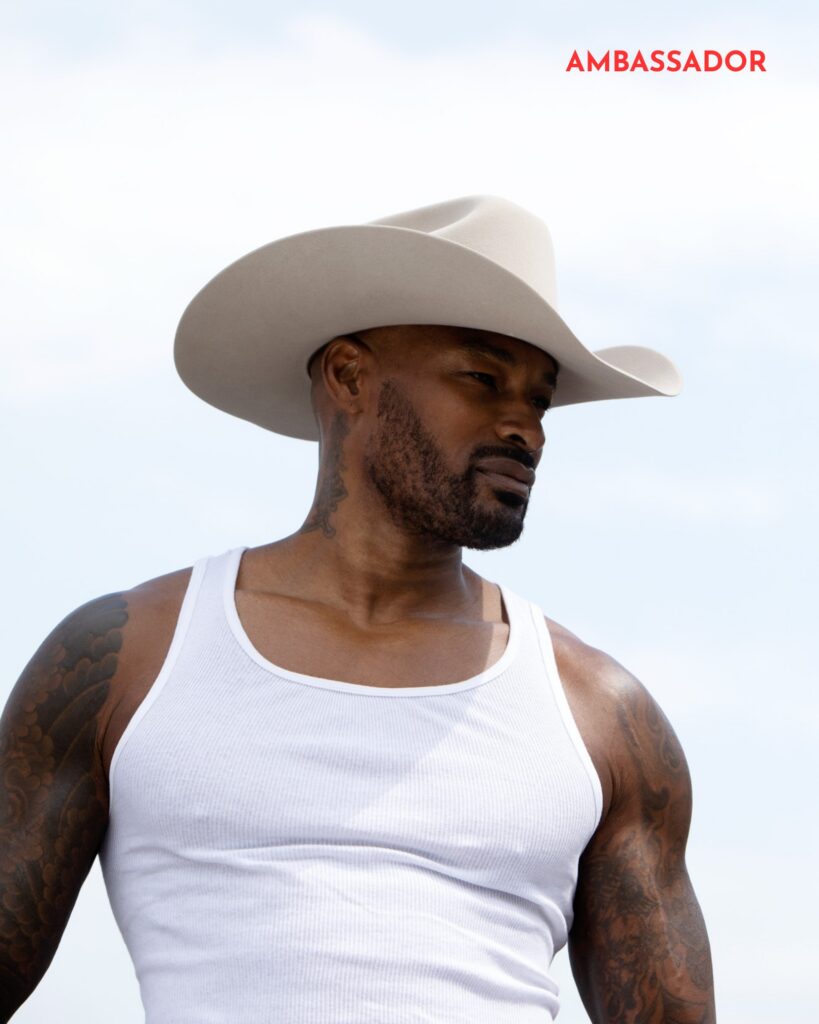
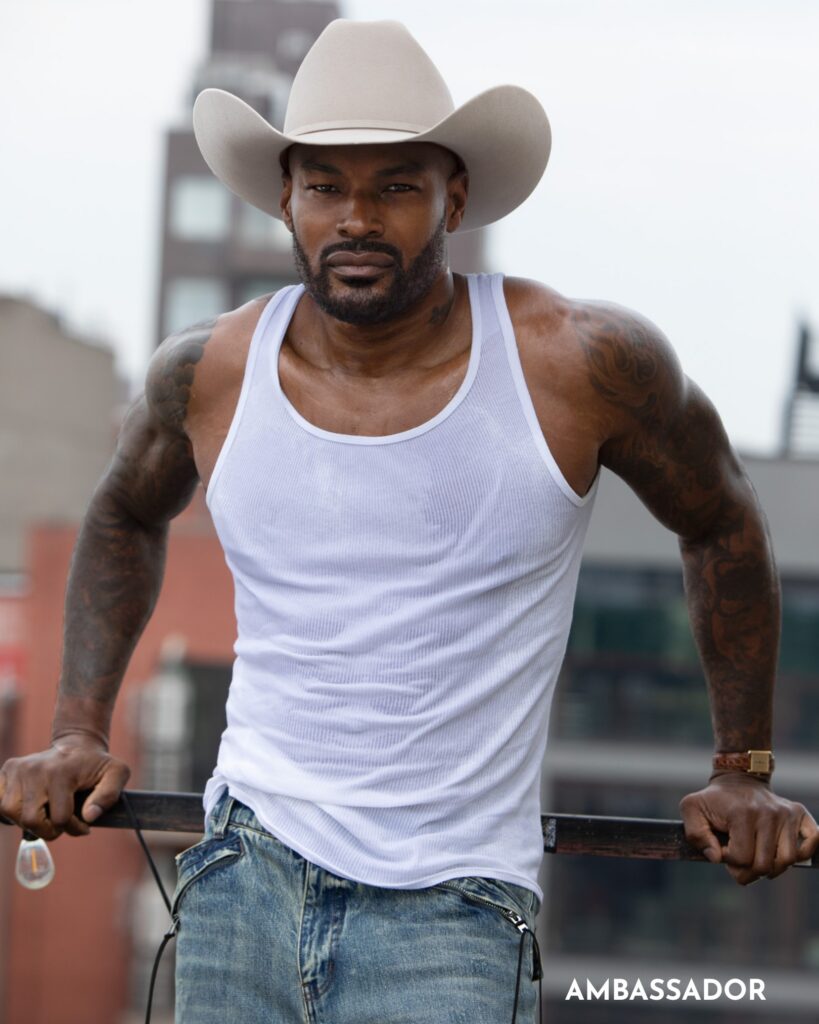
“It was a lot of attention—talk shows, interviews, red carpets, the Oscars. I was going places at that time that a kid from the Bronx was never supposed to see. I was just a kid from the streets trying to take on this new adventure called fame.”
You brought two distinct worlds together—hip-hop and fashion—at the highest level for the first time through your very being. You had the tattoos, and you were doing Ralph Lauren Purple Label. You were the convergence of both identities at once.
I was every bit of street. That’s it—I was street through and through. So what you saw was what you got. I didn’t put on anything extra or try to be something I wasn’t. I came from where I came from, and I carried that with me into every room I walked into.
You were also becoming famous really catching a lot of attention from everyone. How did you manage those new relationships and your friendships?
I was definitely getting hit on by the ladies. I won’t mention names, but there were a few high-profile models in the mix. It was sex, hip-hop, and weed. Growing up as the “ugly duckling,” then finally becoming handsome, and then turning into a sex symbol—it was a whole evolution. I was already a sex symbol on the block. I was out in L.A. doing my thing.Even though I’ve lived a great life, I stumbled at certain points. I wish I had picked better friends, because at times I attracted some very bad people who could’ve taken away everything I had. But I was street smart. I was also making a lot of money, so I always had the ability to pick up and leave. I could move houses whenever I wanted. I remember at one point I was making over a million, and if I wanted to move, I was gone. I was out of the lease, off to somewhere else. That money allowed me to get out when I needed to—“I gotta go.” So I started moving differently. I moved like celebrities move—incognito, smooth, behind tinted windows. You didn’t know who it was until I stepped out of the car. It got to a point where I had to go buy my first legal gun. I even hired a friend as a bodyguard. He told me there was some guy in Brooklyn who was mad at me, had a glock, a semi-automatic, and was coming after me. I didn’t exactly laugh it off, but I told him I had a few guys uptown in Harlem watching out. So there was that side of it too. It was a lot of attention—talk shows, interviews, red carpets, the Oscars. I was going places at that time that a kid from the Bronx was never supposed to see. I was just a kid from the streets trying to take on this new adventure called fame.
But you also grew up.
Yes, I grew up and matured. Some of the things we did on the street, you just can’t do anymore once you become somebody and have a name. You can’t be out there fighting, or even entertaining the idea of pulling guns on people. That life doesn’t go with who I am now. I had to learn how to evolve. I had to learn how to carry myself differently. I became more of an ambassador—someone who represents peace, someone people can actually talk to and reason with. At a certain point, you realize your name means something, and you have to protect that. So I shifted from reacting to situations to responding with thought, with calm, and with purpose.
Before Ralph Lauren, you appeared in a campaign for First Down, a streetwear label that many people considered the “hood’s North Face” because of its popularity and influence in urban communities. What was that campaign like, and did you have any idea at the time that the brand would become an urban retail phenomenon?
First Down was a Korean-based company that made goose down coats people could actually afford and that kept you warm. Having me endorse it made it cool. That was the goose down coat that went from 125th Street to the Bronx, Queens, Brooklyn, Chicago, even Detroit—anywhere in the Northeast where you needed a coat.
Originally, they wanted Biggie Smalls for the campaign, but for whatever reason, Biggie couldn’t make it. I got the call from Chris Latimer. He was in the studio scrambling and called me like, “Come down here and shoot this campaign, I’ll give you $5K.” I said, “I’m on my way.” I jumped in a gypsy cab and went straight to the shoot. My head was freshly shaved, and I was in the coat just following the protocol of what they wanted me to do. Chris was like, “I’m not feeling this.” He put on some music and said, “Yo, what would you do?” I started hitting all kinds of poses. One of them was with the hoodie down, just giving attitude—and the rest is history. When that came out, that’s when I realized what I bring to the table.
You’ve had a long standing relationship with Ralph Lauren. Having recently closed his collection just last season. What does that relationship mean to you?
Ralph Lauren has been tremendous for my career. He didn’t just give me opportunities—Ralph helped make me a household name. If that campaign hadn’t happened, I honestly don’t think I’d still be here. I don’t think I’d still be as relevant. I probably would’ve moved on to acting and pursued that full-time. The truth is Ralph personally wanted me to become an actor. He always saw that potential in me. So when I look back on everything, Ralph Lauren isn’t just part of my career—it’s a huge part of my legacy.
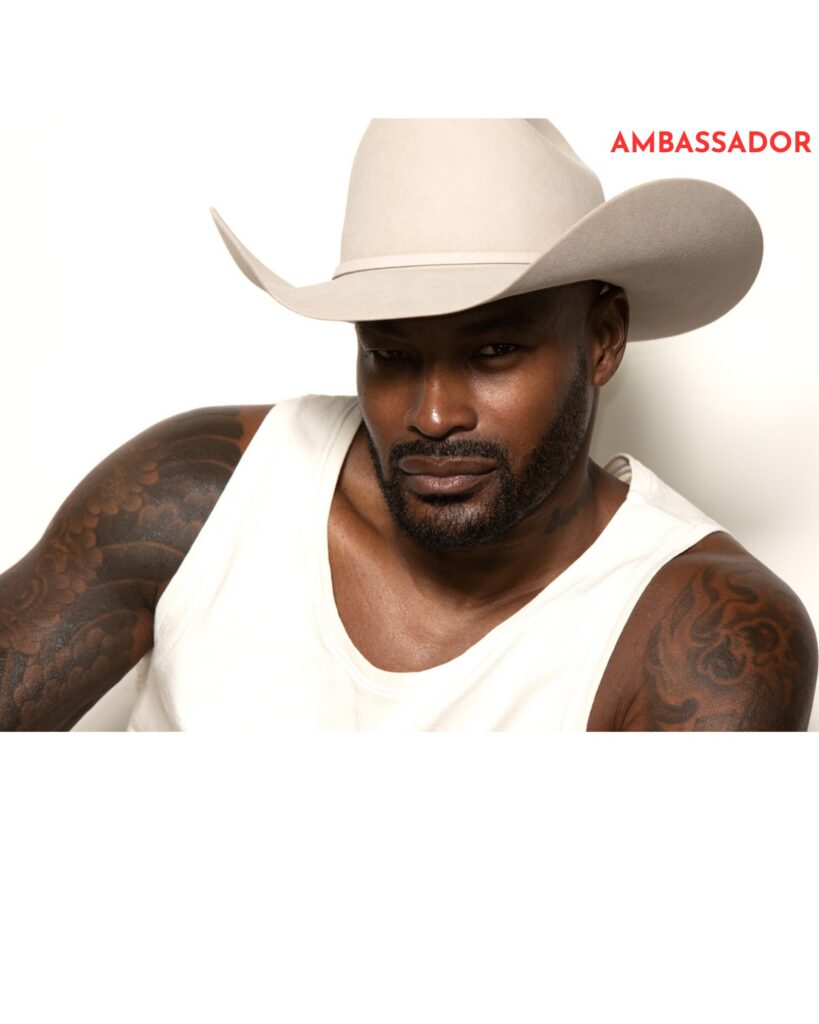
What would you tell young models coming into the business based off what you’ve been through.
Learn who your real friends are, and stick with the girl who’s had your back from day one. As your career takes off, you’re going to have a lot of people who suddenly want to be around you. Not everyone has good intentions. Some people are only there to see what they can get from you.
Learn how to manage your money. Don’t promise anybody anything, because in this business you never know when the next check is coming. Depending on the political climate or who’s in office, brands can pull back their budgets overnight. Fashion, luxury goods, and entertainment are often the first things people cut during difficult times. People will always need food, water, a place to live, and transportation. Those come first. Entertainment—going to the movies, seeing a show, buying luxury items—comes after the necessities. People don’t always think about that. So treat every paycheck like it could be your last. I’ve gone months—even a full year—without getting paid. Luckily, Bethann always told me, “Put some money aside.” Because of that advice, I was able to pay my bills. I’ve emptied my savings account more than once just trying to survive until the next job came along, and then built it back up again. Get yourself a financial advisor. Learn how to protect your money, invest wisely, and prepare for the ups and downs, because in this industry, they’re inevitable.
How do you guide aspiring models in today’s world, where everyone wants to be a model and many are trying to be the next Tyson Beckford?
I make it look easy, but it’s not easy. It’s not for everybody. I get guys sending me pictures all the time, asking, “What do you think?” One thing I’ve learned about this business is to be honest—it’s brutal. People will tell you the truth; they won’t drag you along and tell you some bullshit. I do the same thing when people hit me up, and I’m like, “Bro, it’s not for you.” They think I’m gatekeeping, but I’m not. I’m saving them what could be a waste of their time. I’ve had people who later came back and thanked me. You really either have it or you don’t, and you have to be in it to understand it. They have to understand the other side of that camera. They haven’t been in front of Marc Baptiste. They haven’t worked with Bruce Weber. They haven’t looked through the lens and said, “Oh my God, this guy comes alive with the camera.” You can’t teach that, and a lot of these young kids don’t understand that.
How have you lasted in this business so long. Let’s talk about longevity.
Longevity is not promised. I feel like I’ve consistently stayed up with the times—trends, what’s going on, all of it. I’m outside just enough to be remembered, and I’m also inside enough to be preserved. I have a lot of friends in Europe and other parts of the world, and they’ll say, “You come out when it’s necessary. You don’t give the people too much—you give them just enough.” I don’t need to be at every party, every event, or walk in every show. I like it when I get called for the big shows, when people are genuinely excited to see me. I don’t want to be ordinary. I just like the way I move. I do wish I had more work, because I see so many people working and cashing in—and I love to work. Don’t get me wrong, if I could work seven days a week, I would. If I could work a full year straight, I would. But I don’t always get those opportunities. I don’t know if it’s because people think I’m too expensive or too busy, but I do feel like when agencies present me, I’m one of their strongest selling points—I bring value to the room. Sometimes I feel like the client looks at the rates and decides to go with someone more affordable who has a similar vibe. I get it—that’s the business. But I also know what I bring to the table. I’ve always believed I deserve what I ask for because of the experience, presence, and value I bring to every job. And I’m still here.
You’ve obviously made an impact and there is a lot more diversity in the business. But what’s your take on the state of Black models and designers.
There’s a lot more out there now than when I started, as far as models and designers. They might not be ringing my phone, but they’re ringing somebody’s phone, and that’s a good thing. There aren’t too many people I sit back and say, “Man, I’d love to work with.” But one that definitely comes to mind is LaQuan Smith. I’d love to work with him and walk in one of his shows.
Take us back to a fun time we don’t know about.
In the ’90s, the nightclub The Tunnel was the meeting place. All week you had done your thing—you could’ve flown to the West Coast, you could’ve been on Rap City or whatever was playing on BET. But on Sunday nights, everybody came together at The Tunnel. Rappers, gangsters, drug dealers, artists, the baddies—everybody showed up at The Tunnel on Sunday night because we were there to get our groove on and release. Then we’d be ready to take on whatever was coming in the week ahead. I remember showing up one time with my boy Sincere. That night, The Notorious B.I.G. had already dropped a single and was in The Tunnel with no bodyguard—just him and Lil Cease, who was always with him. We had a great time. We snapped photos, flexed our matching Rolexes, and bonded over both of us living our dreams and sharing Jamaican heritage with hardworking Jamaican mothers. They knew me as the Polo guy. Biggie, and especially Lil Cease, were always in Polo—Junior M.A.F.I.A. rocked it heavy. After that, anytime he’d see me—whether here or on the West Coast—he’d call me Ty. I miss Biggie and Tupac Shakur, who I also knew. I sometimes wish they didn’t have so many voices around them. I honestly think things might have turned out differently if they had just been in a room together—alone, with no entourage, no outside voices. Just two people having a real conversation. They might have discovered they had more in common than they realized. They might have even become friends.
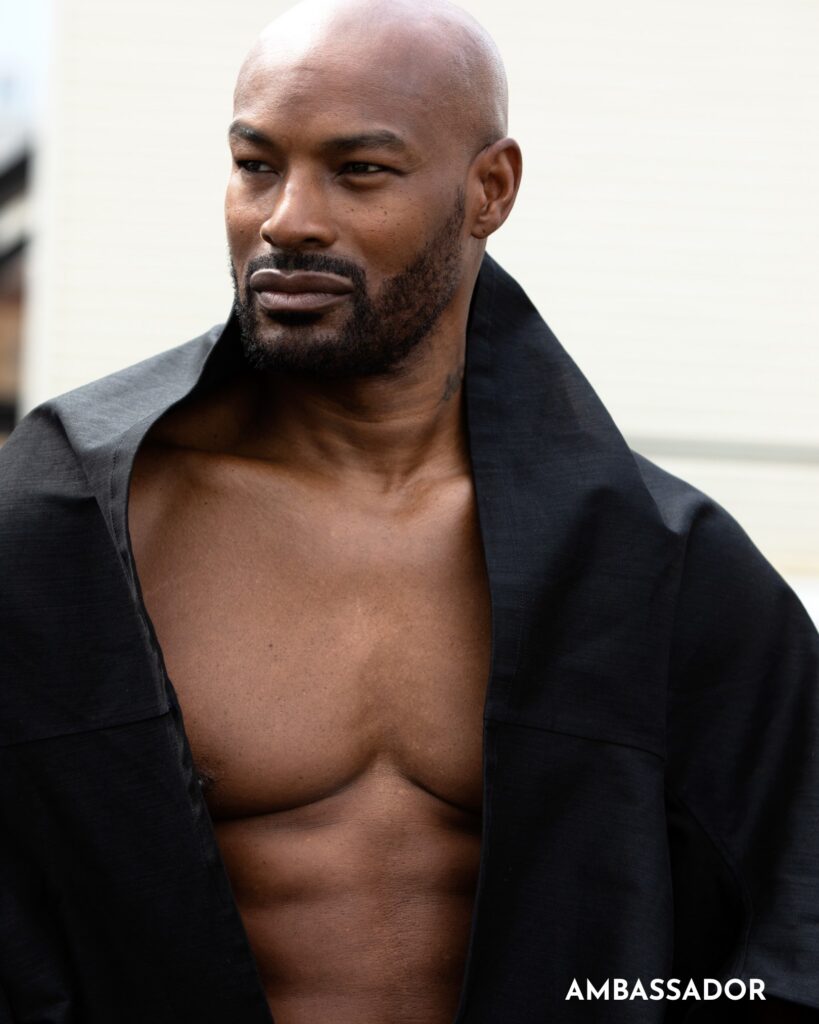
How has fatherhood shaped you, both personally and professionally? What has being a father taught you about life, legacy, and the man you’ve become?
Fatherhood is good. Young Jordan is a character. He’s got his own life going on, and as a father, I’m just trying to figure out what he’s doing, so I just roll with it. We’ve always given him the freedom to make his own choices. Sometimes I want to step in and say, “Hey, why don’t we try this?” But I’d rather wait until he tries it his way. If it doesn’t work, then I’ll suggest, “Okay, let’s try this. Let’s see if that works.” I just try to be there for him, unlike my father was. My father wasn’t there for me 90% of the time, so I try to be there for him 100% of the time. If he calls, I pick up. It’s just the things I always wanted my father to do and the role I wanted my father to play in my life. That was what I wanted from my dad. But whatever he was into, whatever consumed him, he didn’t involve me. So what I try to do is, if I can get a job for me and Jordan to shoot together, I do it. It’s like LeBron James wanting to play basketball with his son. I mean, that’s something every father wants to do. But not every child wants to follow in their father’s footsteps, so you just say, “Okay,” and take it as it comes. I take what I can get. Any little bit of time I get to spend with him, to me, is amazing. I think when I was working, I was always going and going, and he saw that. Now that he’s older, he understands. He’s like, “Dad, that’s such a legacy. You’ve been moving and grooving.” He will say he just spoke with someone, and they’ll tell him a story about knowing me in the day. He comes back to me all the time with these amazing stories: “Man, I met someone who knew you and told me how important you were.” It brings back memories and reminds me that I was really outside. I was outside—in Morocco, Paris, Milan, Spain, London, Japan, and Australia. I was running around the world. I met so many people and had so many good times. I just try to teach him, “You need to travel, young man. You need to see the world,” because I think that makes you a worldly individual. I think everyone should travel. Everyone should see the world because that’s how you get a better understanding of how things work. There are a lot of people in this country who’ve never left this country—never even left the Bronx. A lot of times you’ve got to lead by example, and I think about the number of people I’ve influenced simply by leading that way.
In a business where you’re constantly changing agents, it’s beautiful to see you and Bethann Hardison still together after 30 years—the same person in your corner. Let’s give Bethann her flowers.
Who knew it would be this long? She’s the only one who could put up with me. We’re like—well, you know, because we don’t trust everybody. We’re like a married couple. We have our fights, but then we have our make-ups, and the make-ups are beautiful.
Our fights aren’t what people would think. They’re more about work—about wanting to do more, push more, and be better. When you see everything she’s done in her life, it just makes you want to be better. It’s not really possible to match that, but I damn sure want to come close.We’re like Batman and Robin. When people see us out together, they’re like, “Okay, that’s a beautiful thing.” I’m loyal, and even though she’s placed me with different agencies like Soul Artist Management and others, she still oversees everything because it’s something she helped create. She doesn’t want anybody to come in and mess it up. She still looks over me like I’m a newborn—she just wants to make sure everything is good.
Not that you ever really left, but it feels like people are rediscovering you in a whole new way. What’s it been like to experience this moment in your career?
It’s legacy now. That’s why it’s different. Because now I see what it can be, what it’s going to be, and what I want to leave behind. I’d like to be remembered as a guy who came in, changed the game, and opened the door for many others to follow. Before, I was a young man, still working and still exploring. Now I’m an older man who knows what he wants and what he wants to leave behind. I see the way people look at me now. They’re like, “Man, he’s a GOAT. He came through, he did it, he laughed, and he lived. Everything he touched was GOAT.” I want to be remembered as Tyson Beckford—the model and the actor. There are people modeling today who have no idea I was a model. They’re like, “That’s that actor, dude,” and I’m like, “I’ll take it.”
It’s a legacy that’s already underway.
Team
Talent: Tyson Beckford @tysoncbeckford
Photographer & Creative Director: Marc Baptiste @marcbaptistephoto
Lead Stylist: Noa Taieb @noataiebb
Stylist Assistant: Lennie Goldstein @lenniegoldd
Grooming: Shalea Walker @walkersapothecary
Coordinator: Michka Bengio @michkagram
Market Editor: Whitney Leff @whitney_leff
Producer / Interviewer: Musa Jackson @iammusajackson
Location: The Bench @wethebench
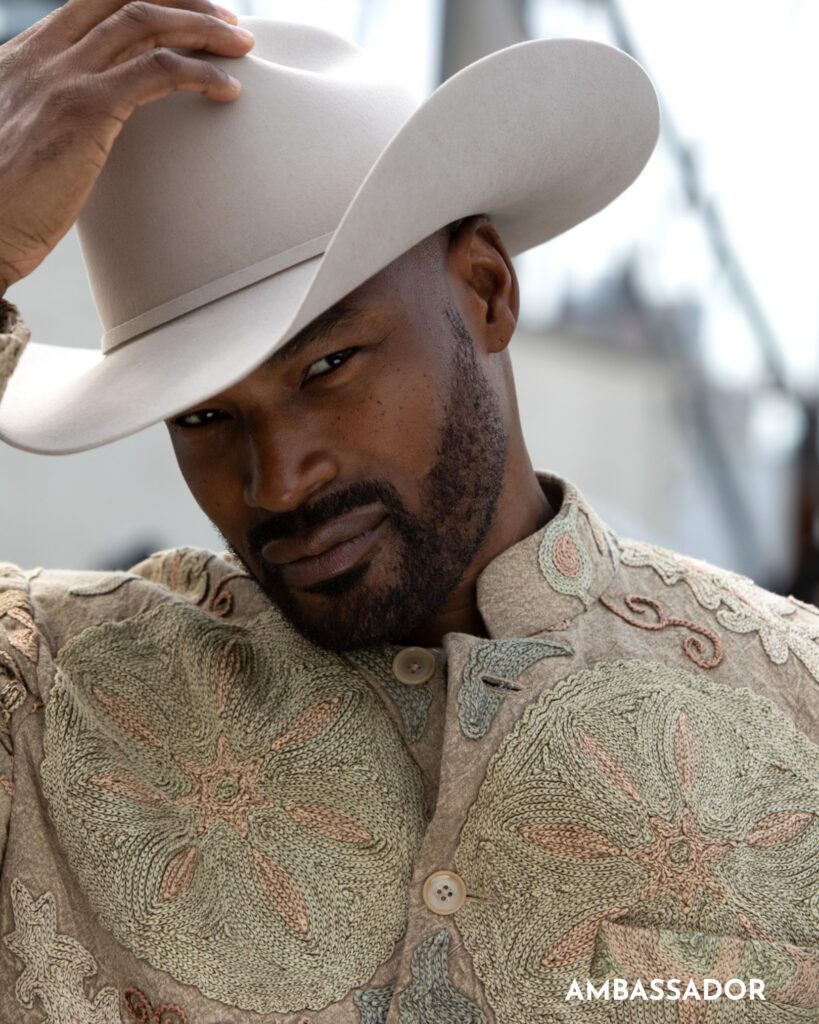
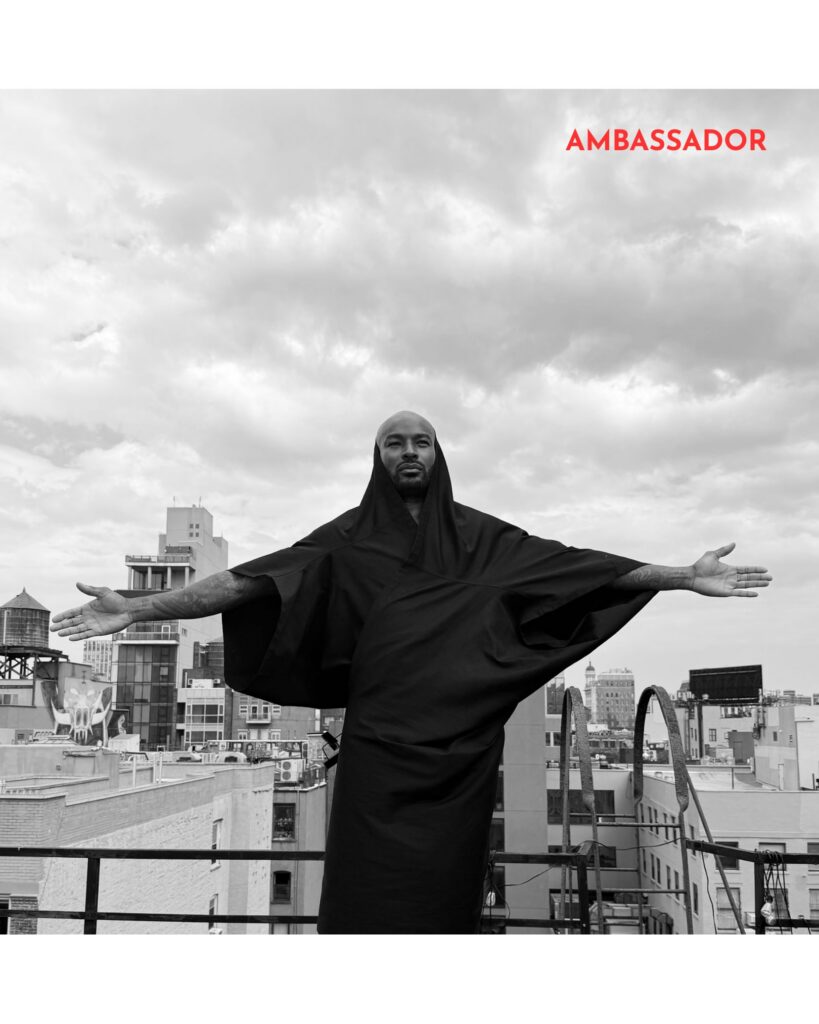
Cover Look
Jacket: Mobolaji Dawadu @ Mobolajidawadu
Hat: Stetson
Look 2
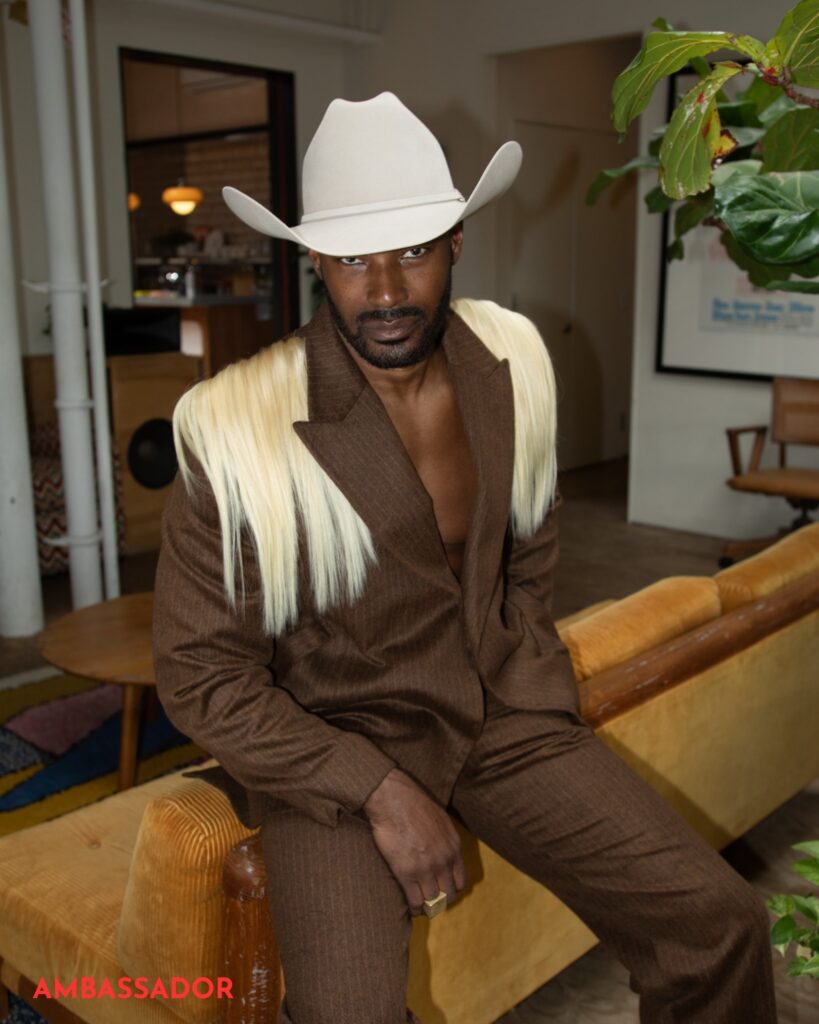
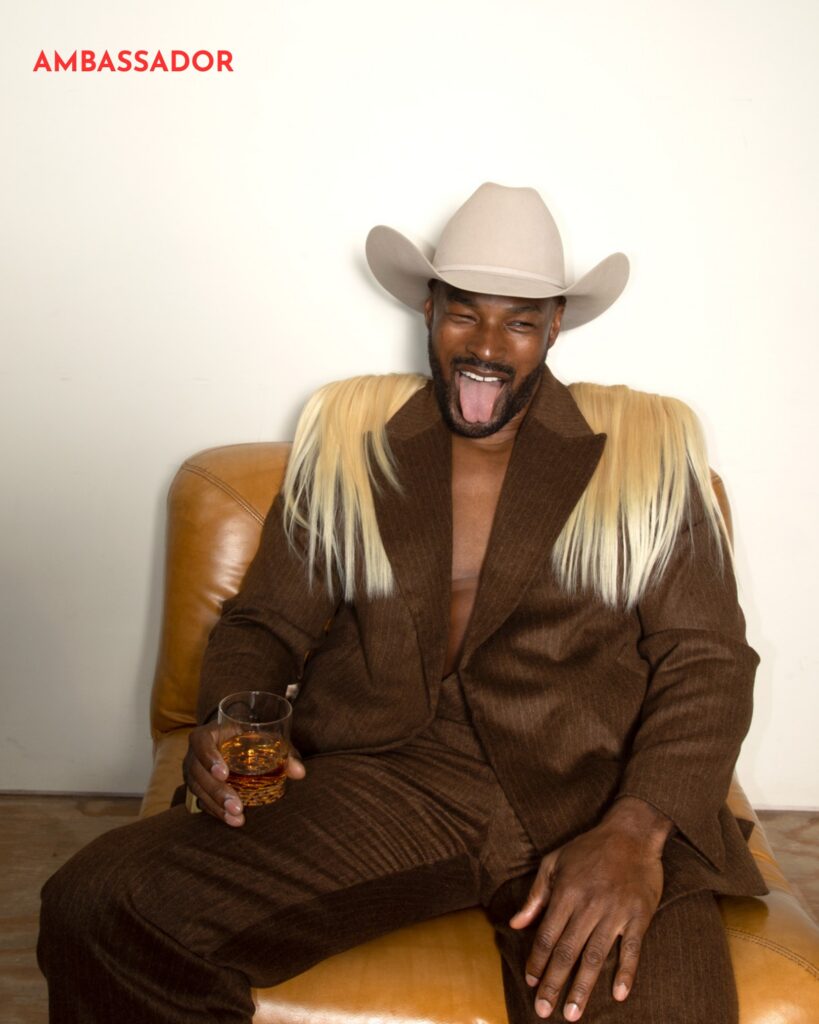
Suit: Hair Suit, Le Blanc Studios @Leblancstudios
Hat: Stetson
Ring: Musa’s own
Shoes: Burnished leather Paxton Allen Edmonds loafers, Ebreo Vintage @ebreovintage
Look 3
Tank Top: Tyson’s own
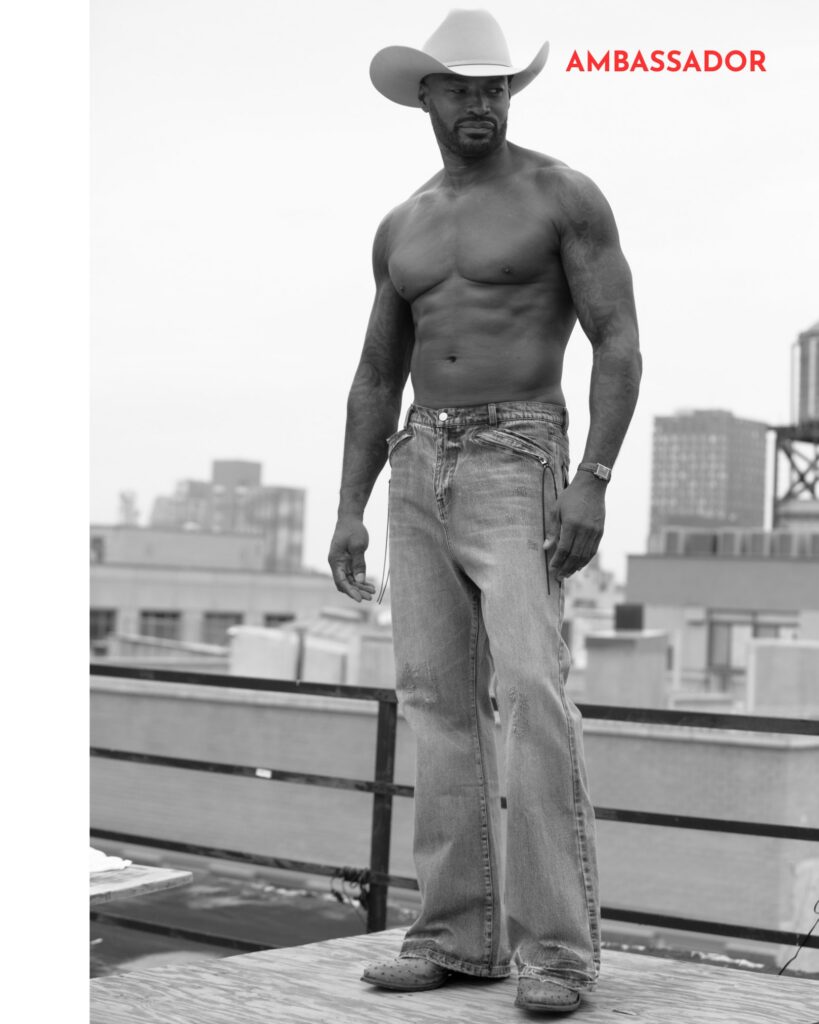
Jeans: Warpaint Flared Denim, Free Agency @freeagencynewyork
Boots: Tyson’s own
Hat: Stetson
Look 4
Straw Hat by Epperson, @eppersonstudios
Look 5
Morph by Epperson, @eppersonstudios
Look 6
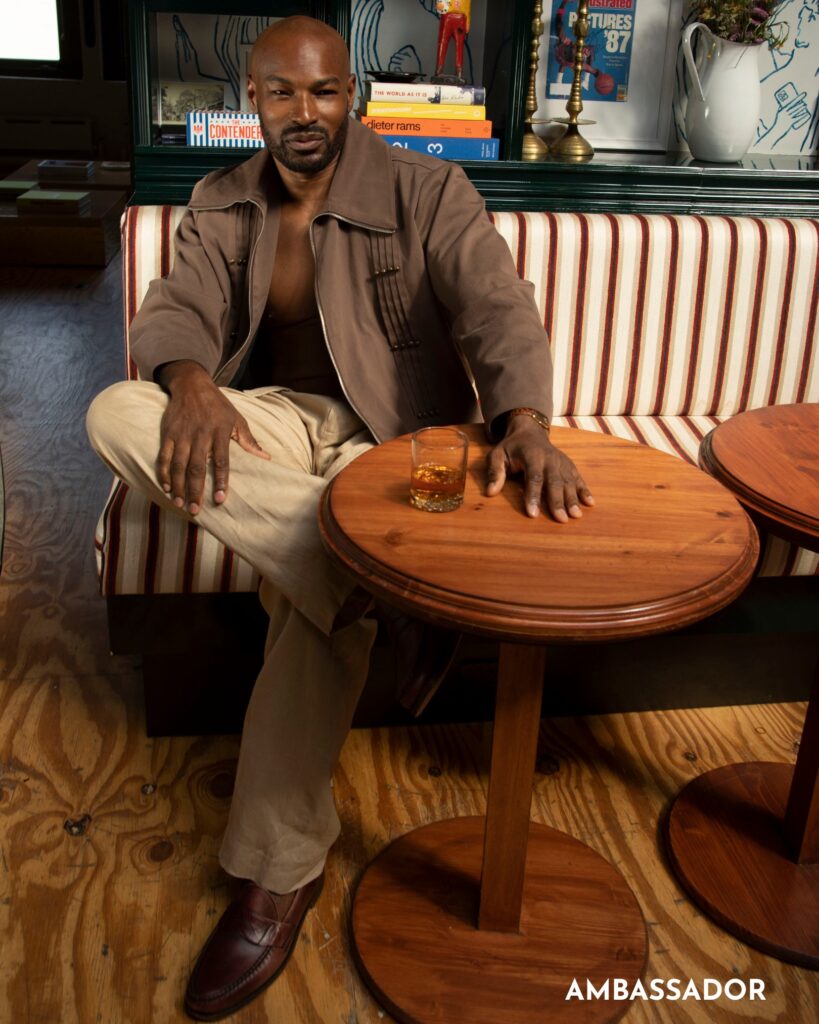
Jacket: Bomber Chacabana Jacket, Le Blanc Studios @Leblancstudios
Pants: Le Blanc Studios @Leblancstudios Watch: Vintage Must Cartier Tank, Gold Plated
Shoes: Burnished leather Paxton Allen Edmonds loafers, Ebreo Vintage @ebreovintage
Look 7
Tank top: Imogene + Willie Midweight Box Tank, Free Agency @freeagencynewyork Jeans: Demiurgo Studio Leather Pants, Free Agency @freeagencynewyork
Boots: Tyson’s own
Hat: Stetson
Watch: Vintage Cartier Must de Cartier Tank, Gold Plated
Look 8
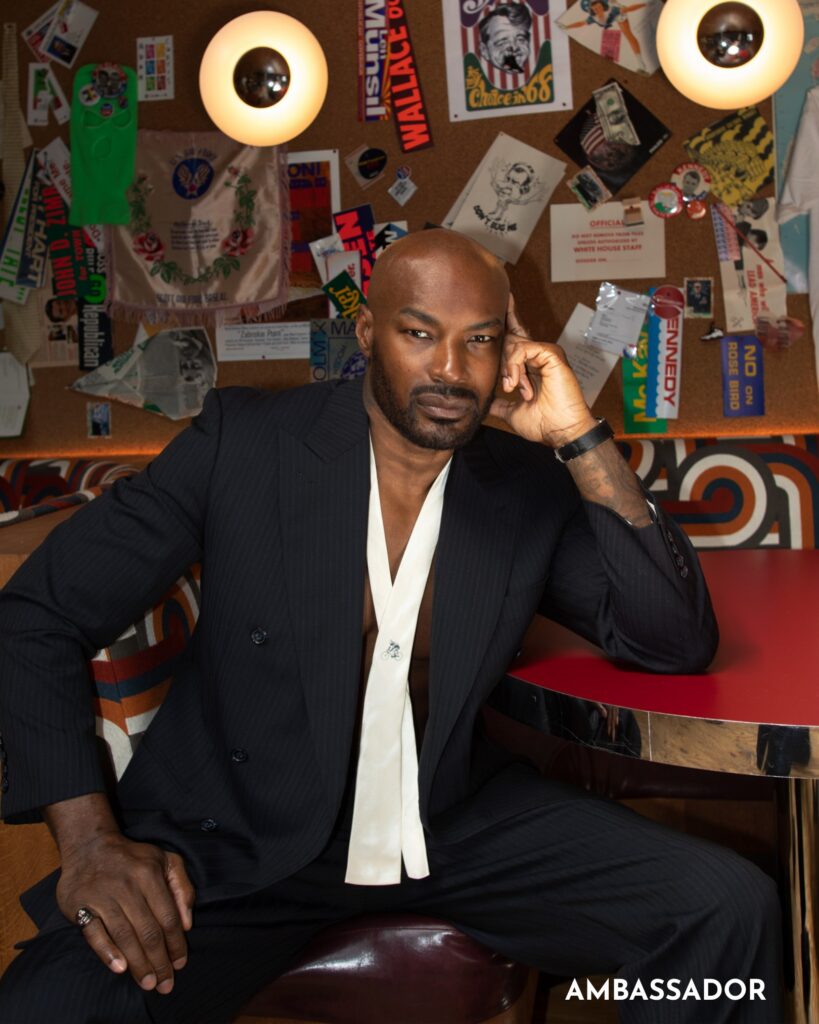
Suit: Jhane Barnes Double Breasted Suit, Ebreo Vintage @ebreovintage
Tie: Igor flat bottom tie, Oshin Studios @oshinstudios
Shoes: Vintage black tassel Allen Edmonds loafers, Ebreo Vintage @ebreovintage
Look 9
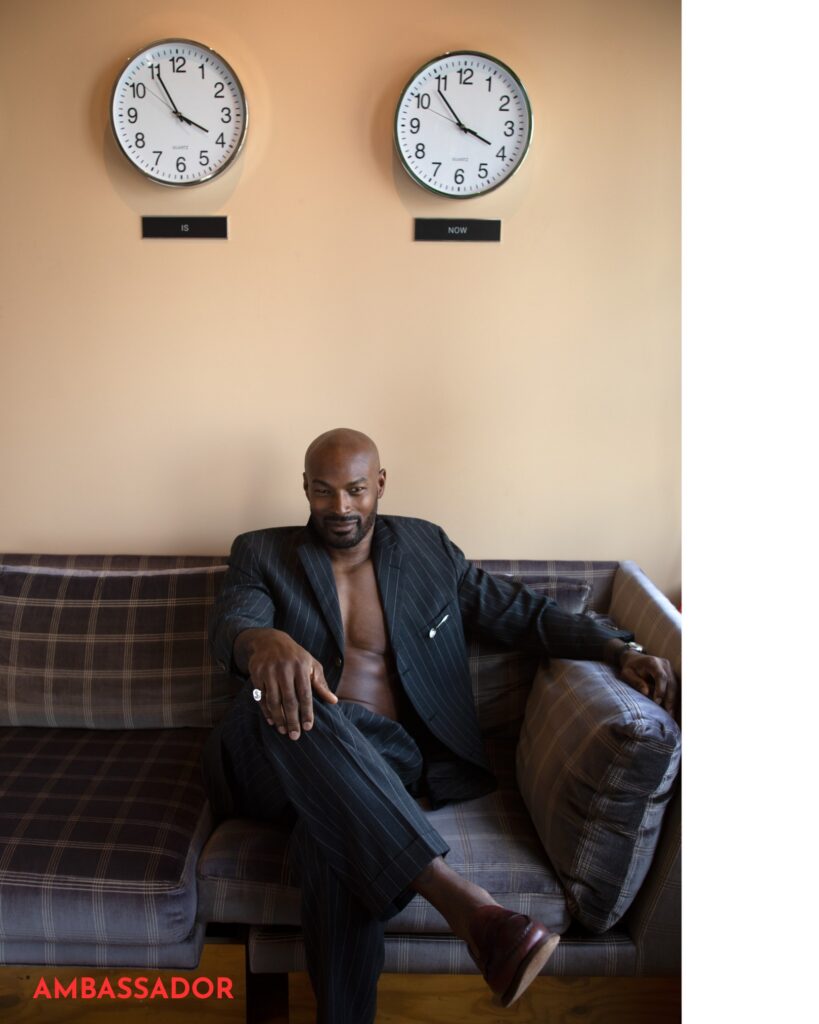
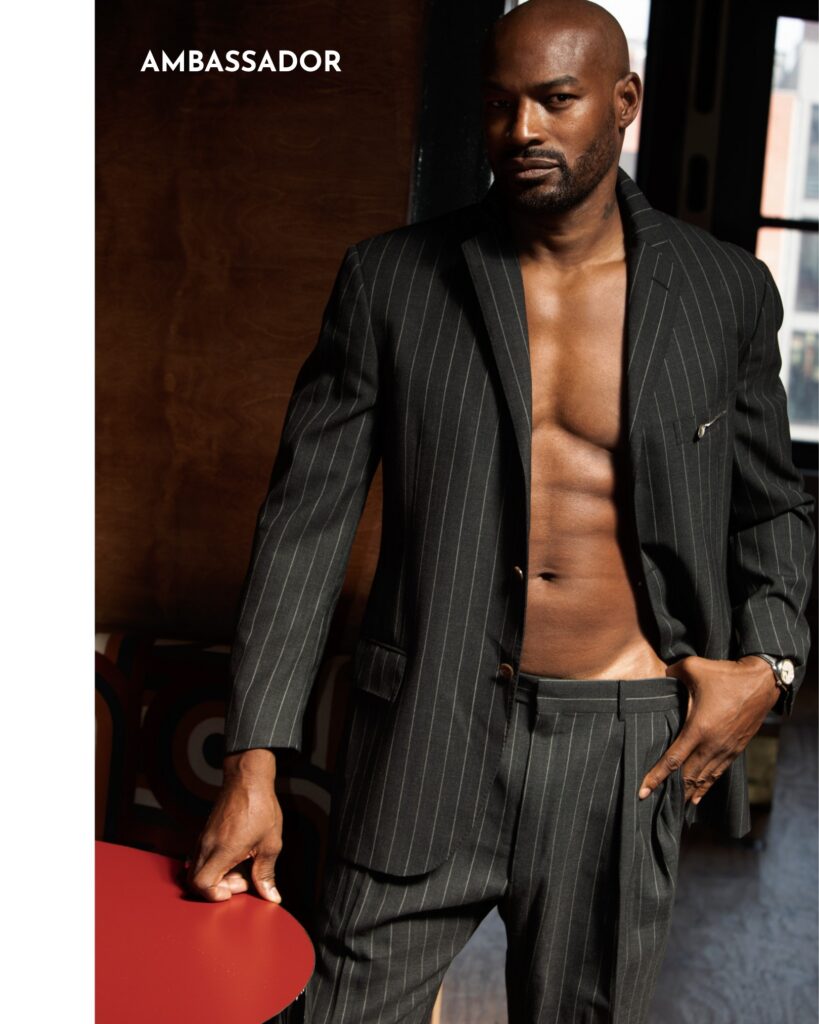
Suit: Vintage Ralph Lauren Pinstripe Suit, Ebreo Vintage @ebreovintage
Brooch: The Spoon, Ebreo Vipntage @ebreovintage
Ring: Alexander McQueen @alexandermcqueen
Watch: 1960s Rolex
Shoes: Vintage black tassel Allen Edmonds loafers, Ebreo Vintage @ebreovintage
Founder & Editor In Chief:
Musa Jackson @iammusajackson
Creative Director: @marcbaptistephoto
Art Director/ Cover & Editorial Graphics:
Paul Morejon @Paulmorejon
FOLLOW US:
www.ambassadordigitalmag.com
IG: @ambassador_mag
YouTube: Ambassador Digital Magazine
Facebook: Ambassador Digital Magazine